Agreement negotiations for the reconstruction design of the Saski and Brühl Palaces and Królewska Street tenement houses
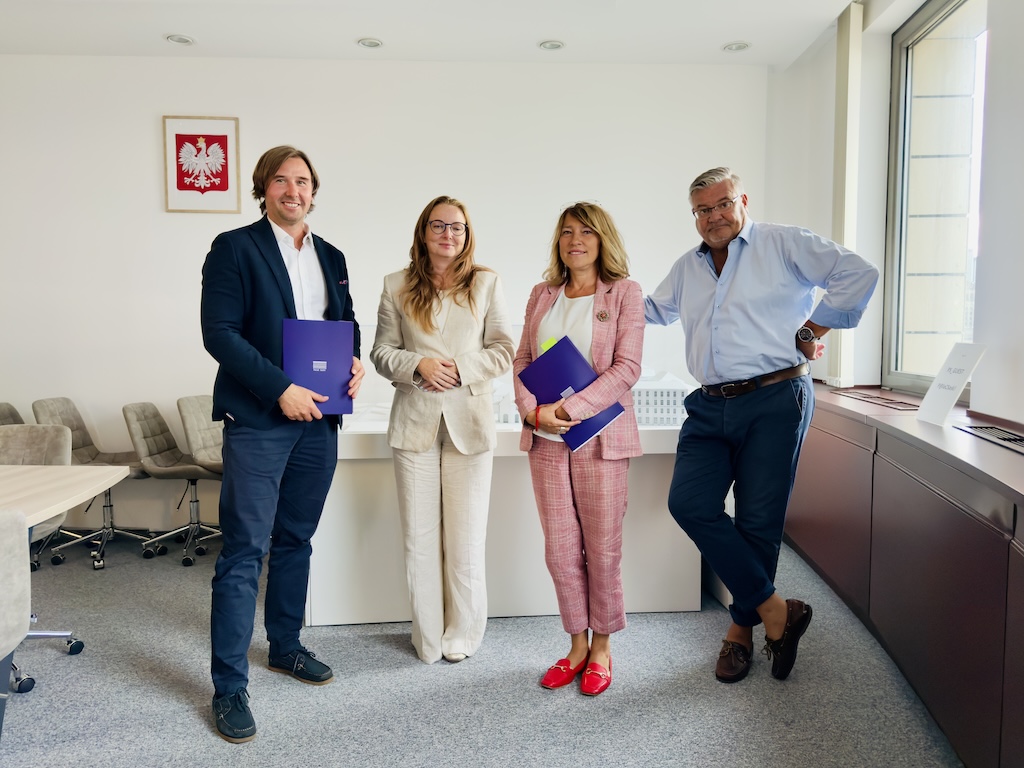
On 25 August 2025, formal negotiations began between the Pałac Saski company and the architecture practice WXCA Group. That same day, the practice received an invitation to open negotiations on an agreement to prepare the architectural design for the reconstruction of the Saski Palace (also Saski Palace), the Brühl Palace and the tenement houses at 6, 8 and 10/12 Królewska Street in Warsaw. The draft document had received a positive opinion from the General Counsel to the Republic of Poland and approval from the Ministry of Culture and National Heritage. The invitation to negotiate is a formal requirement for this type of contract under the Public Procurement Law.
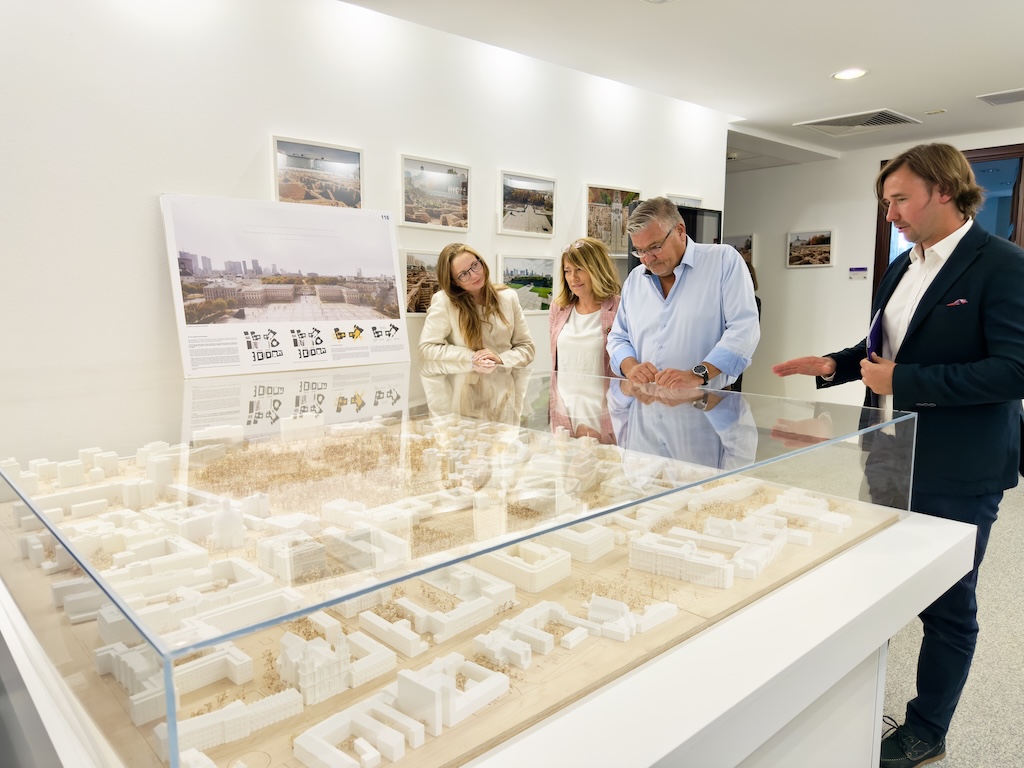
Architectural competition: reconstruction of the western frontage of Piłsudski Square.
The winning concept for the reconstruction of the Saski and Brühl Palaces, along with the three tenement houses on Królewska Street, was selected in an international architectural and urban planning competition, held in two stages. The results were announced on 12 October 2023 at the headquarters of the Association of Polish Architects (SARP). Eleven practices participated in the competition, having been pre‑qualified during the qualification phase. In the first stage, the practices prepared concept submissions, which were anonymously assessed by a twelve-member Competition Jury. Of the five architectural concepts that met the competition requirements and advanced to the second stage, two received honourable mentions(by Piotr Płaskowicki Architekt and AMC Andrzej M. Chołdzyński, while the remaining entries were placed accordingly.
I – WXCA Group sp. z o.o.
II – FS&P ARCUS sp. z o.o. & K. Ingarden, J. Ewý Architekci sp. z o.o. & Asman Pieniężny Architekci sp. z o.o.
III – LAN & P2PA sp. z o.o.
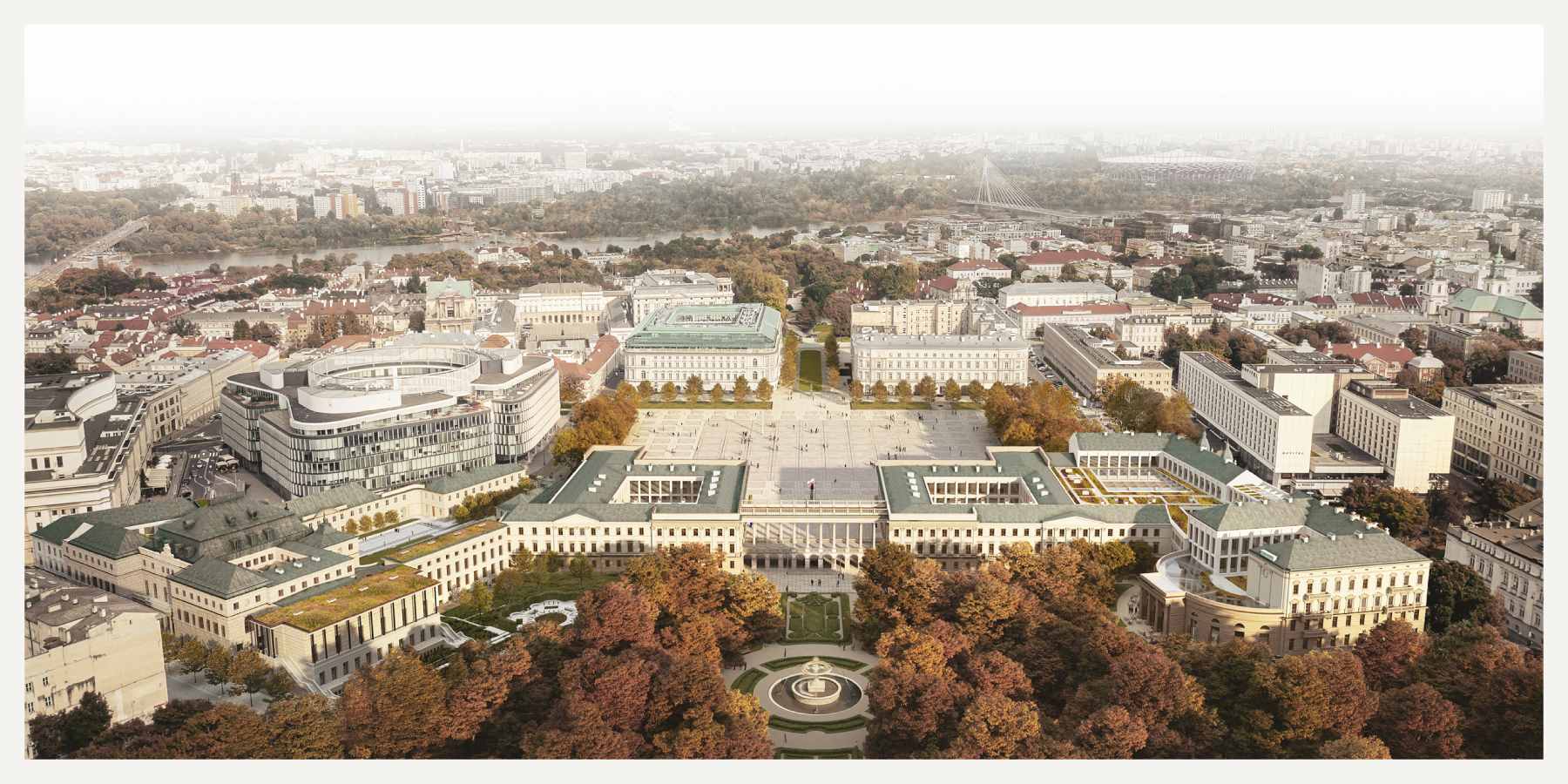
What will the Saski Palace look like?
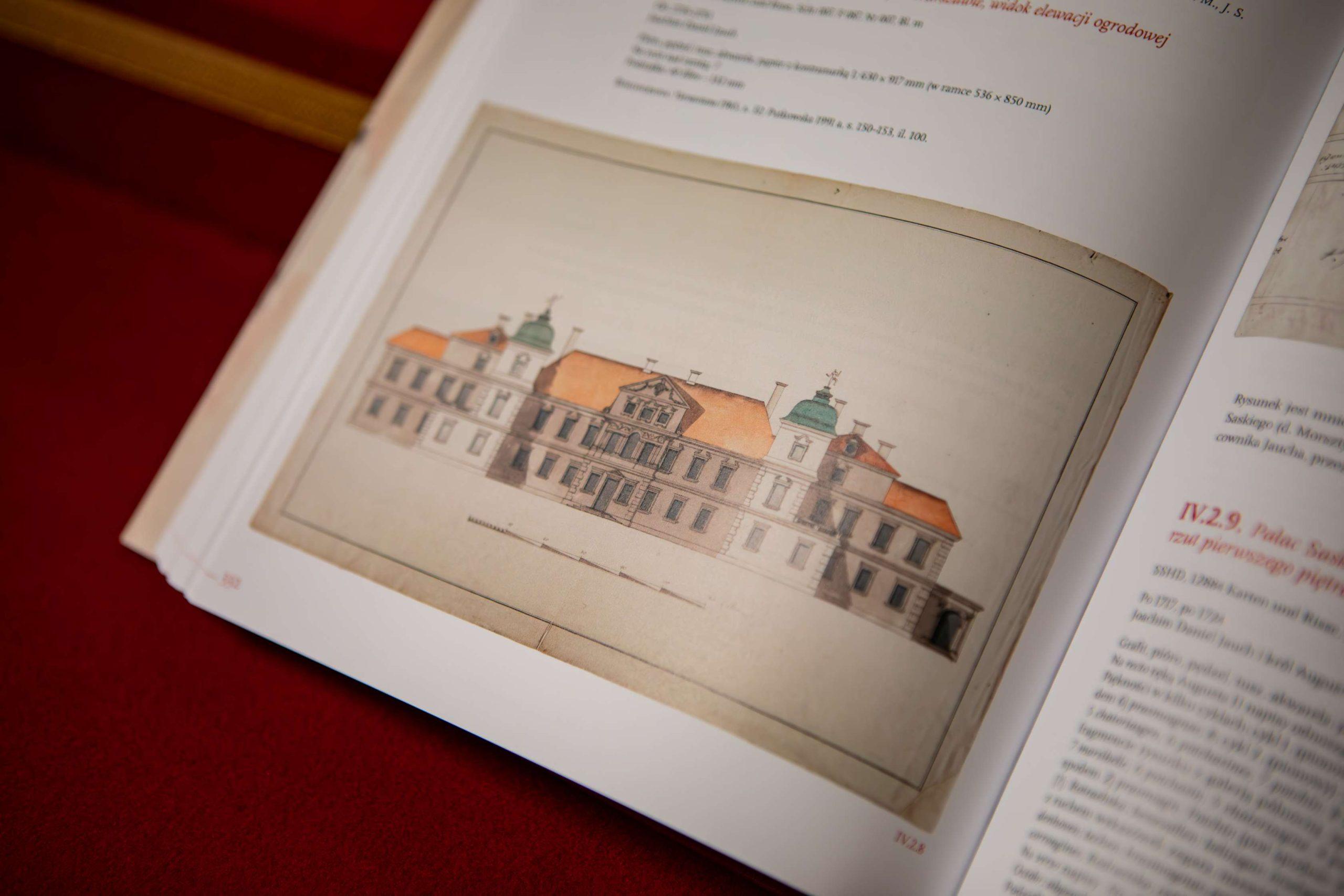
The architecture practices participating in the competition were required to comply with both the provisions of the Act of 11 August 2021 (Journal of Laws 2024, item 578) and the competition requirements. One of the fundamental assumptions of the project is the reconstruction of the Saski and Brühl Palaces and the tenement houses at 6, 8, and 10/12 Królewska Street in their original external architectural form as of 31 August 1939, prior to the outbreak of the Second World War. The only fragment of the buildings that exists today – the Tomb of the Unknown Soldier, which was partially reconstructed after the war – is, according to the Act, inviolable and must be reincorporated into the reconstructed colonnade of the Saski Palace while remaining clearly distinguished. In this regard, the winning concept provides for a contrasting colour and a clear demarcation within the outline of the monument’s current form. Also inviolable are the legally protected remains of the basement walls of the Saski Palace, which, according to the WXCA Group’s practice, will be carefully exposed and made accessible to visitors. The first‑prize‑winning concept also proposes, among other elements, the creation of an assembly hall in the area of the small courtyard of the Brühl Palace, intended for use by the Chancellery of the Senate of the Republic of Poland, as well as the construction of a multifunctional concert hall overlooking the Saxon Garden in the restored Lessel tenement house (at 10/12 Królewska Street). However, detailed solutions will be developed following the implementation of post‑competition recommendations and the preparation of a multidisciplinary concept design, which will be undertaken once the contract with the architecture practice is signed.
Contract negotiations and subsequent stages of reconstruction
The draft contract for the design work, developed by the Pałac Saski company, was approved by the Ministry of Culture and National Heritage after a multi‑stage review and received a positive opinion from the General Counsel to the Republic of Poland. Under the Competition Rules, the Pałac Saski company issued an invitation to negotiate to the winning architecture practice. From that point, formal negotiations with WXCA Group on the final terms of the contract began. Once the agreement is signed, the practice will commence design work, and the documentation it prepares will form the basis for initiating the procurement to appoint the main contractor.
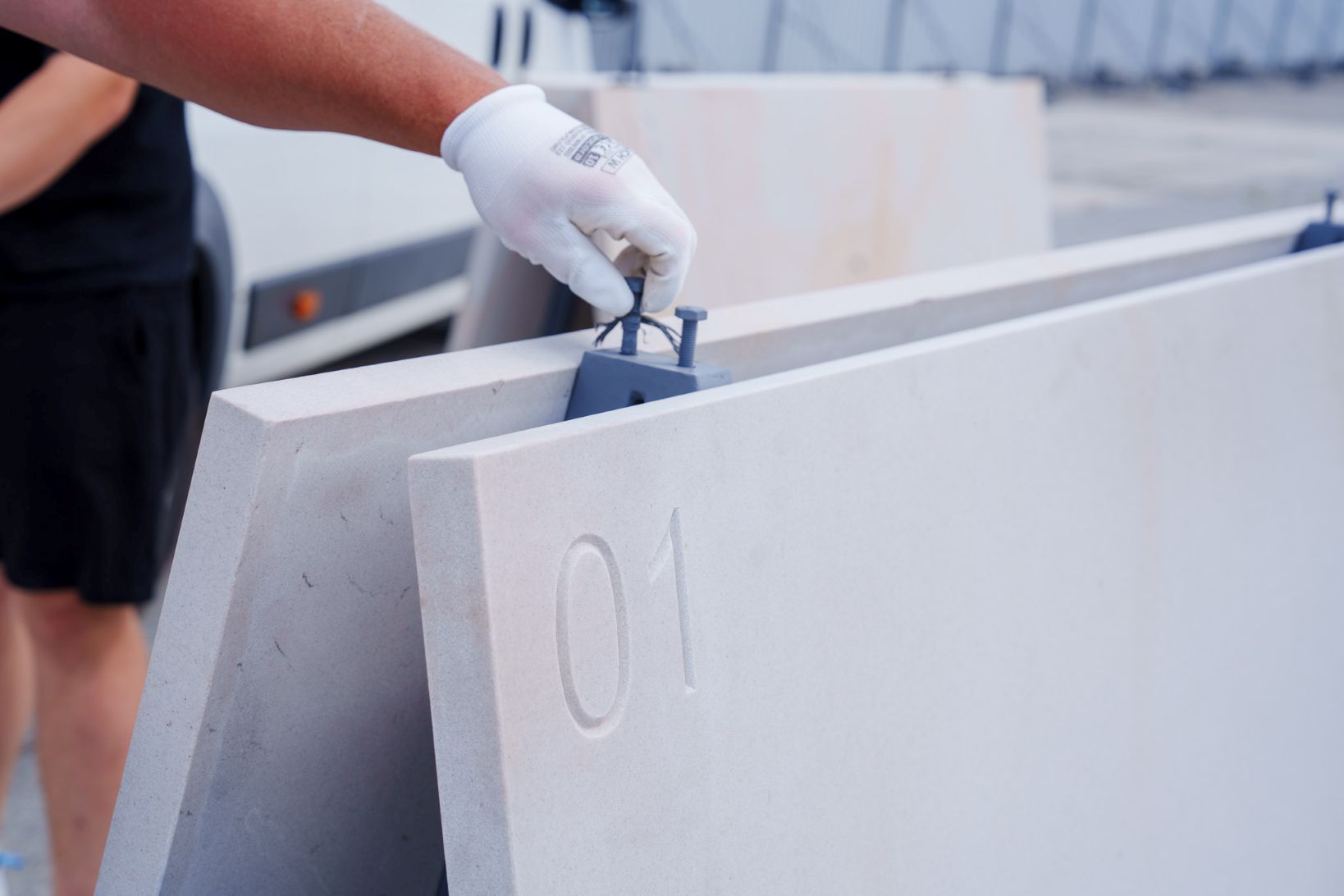
On site, current activities include monitoring sandstone façade-panel samples. Further archaeological investigations are also planned in the area of the former Brühl Palace and the tenement houses on Królewska Street.