Contrast
Size
news

29. Międzynarodowe Biennale Plakatu – wystawa na pl. Piłsudskiego

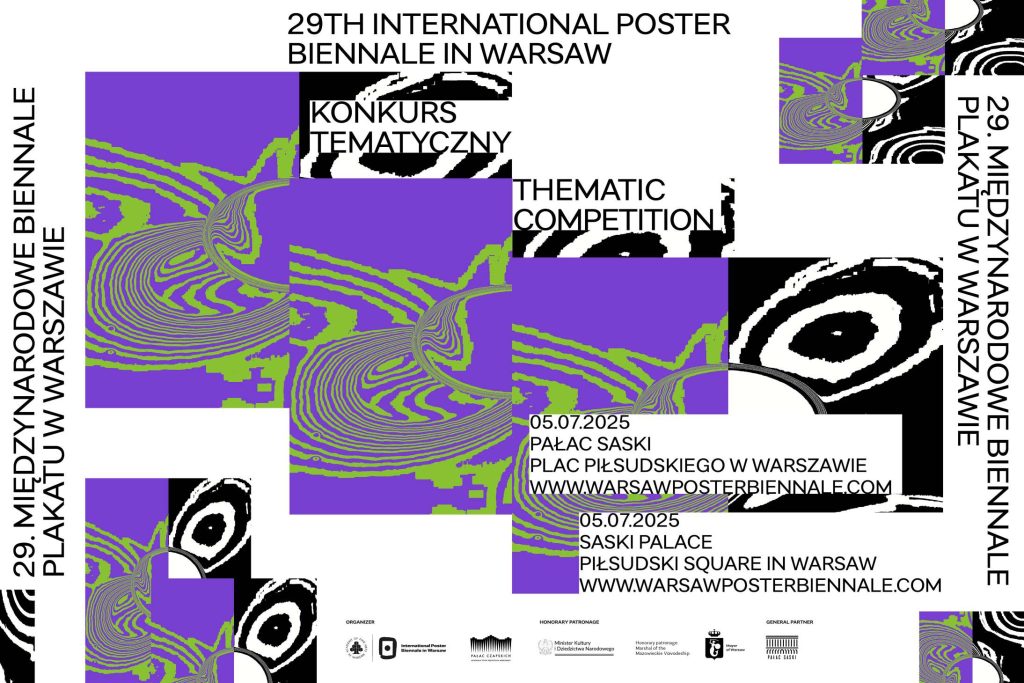
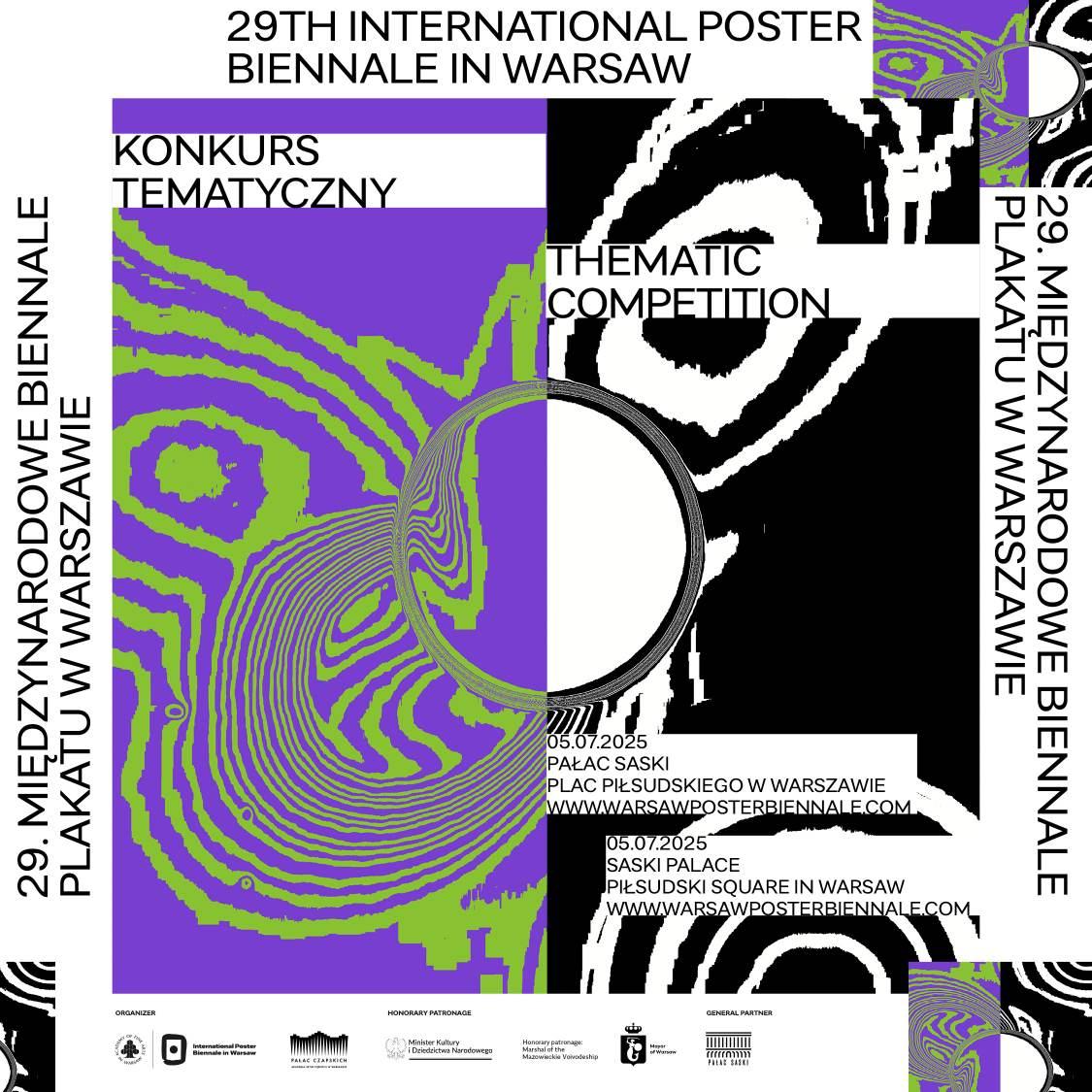
Już po raz drugi ogrodzenie terenu odbudowy zespołu Pałaców Saskiego i Brühla oraz kamienic przy ul. Królewskiej stanie się galerią sztuki plakatu. Wystawę plenerową „Quo Vadis”, czyli wybrane prace artystów biorących udział w 29. edycji Międzynarodowego Biennale Plakatu w Warszawie, można oglądać na pl. Piłsudskiego od 5 lipca 2025 r. do końca wakacji.

Światowe święto plakatu w Warszawie

Cykliczne wydarzenie artystyczne i konkurs, którego jednymi z laureatów są Jan Młodożeniec czy Andy Warhol, organizowane jest od 1966 r. Od tego momentu Warszawa co dwa lata staje się forum twórczej konfrontacji plakacistów z najodleglejszych zakątków świata. Za inicjatora tego przeglądu aktualnych trendów w sztuce plakatu uznaje się słynnego karykaturzystę i redaktora naczelnego wydawanych w międzywojniu „Szpilek”, Eryka Lipińskiego. Od 1990 r. pieczę nad swoistym świętem wszystkich fanów plakatu sprawuje prof. Lech Majewski, Prezydent Międzynarodowego Biennale Plakatu w Warszawie. W tegorocznym Biennale prace artystów zakwalifikowano w dwóch kategoriach konkursowych: ogólnej (wszystkie zgłoszone plakaty powstałe w latach 2023-2025) oraz tematycznej pod nazwą „Quo Vadis”. Do preselekcji trafiło łącznie ponad 6500 plakatów stworzonych przez artystów z 38 krajów.

„Quo Vadis” na tle odbudowy Pałacu Saskiego

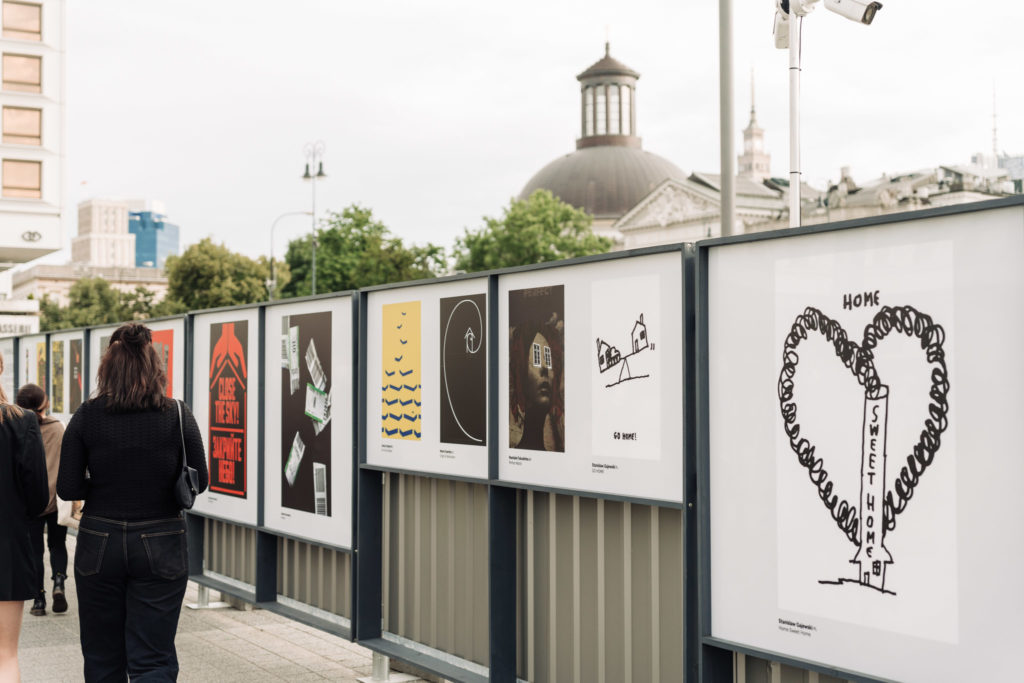
Podobnie jak dwa lata temu, podczas 28. Międzynarodowego Biennale Plakatu, wystawę prac biorących udział w kategorii tematycznej „Quo Vadis” będzie można odwiedzić o dowolnej porze dnia i nocy. Wszystko to za sprawą miejskiej galerii sztuki, którą tworzy system wystawienniczy na ogrodzeniu terenu odbudowy zachodniej pierzei pl. Piłsudskiego, czyli Pałacu Saskiego, Pałacu Brühla oraz kamienic przy ul. Królewskiej 6, 8 i 10/12. Od blisko roku odwiedzający centrum stolicy porównywali tutaj fotografie miasta z okresu niemieckiej okupacji zestawione z ujęciami tych samych miejsc, ale wykonanymi osiem dekad później. Wystawę historyczną „Warszawa kiedyś i dziś. 80. rocznica wybuchu Powstania Warszawskiego” zastąpią teraz prace plakacistów.

W ramach konkursu tegorocznej edycji Biennale artyści w swym procesie twórczym poszukiwali odpowiedzi na pytanie: dokąd zmierzasz? Ekspozycja przedstawia więc prace o szerokim spektrum interpretacji tematu, często odnoszące się jednak do wyzwań współczesnego świata zmagającego się z polityczną niestabilnością, degradacją środowiska czy widmem wojny.

Wystawa plenerowa „Dom” w ramach 28. Międzynarodowego Biennale Plakatu w Warszawie, 2023 r. Fot. T. Tołłoczko

29. Biennale Plakatu w pigułce

Otwarcie wszystkich wystaw 29. edycji Międzynarodowego Biennale Plakatu w Warszawie odbędzie się już 5 lipca 2025 r. Jako partner generalny wydarzenia, Pałac Saski sp. z o.o. ma przyjemność przedstawić szczegółowy harmonogram wydarzeń towarzyszących inauguracji:

15:00„Kroki” – otwarcie pokonkursowej wystawy prac studentów z 20 uczelni ze świata – Instytut Wzornictwa Przemysłowego, ul. Świętojerska 5/7 – czas trwania: do 31 lipca 2025 r.

17:00„Quo Vadis” – otwarcie wystawy plenerowej Konkursu Tematycznego – ogrodzenie terenu odbudowy Pałacu Saskiego, pl. marsz. J. Piłsudskiego – czas trwania: do 31 sierpnia 2025 r.

19:00„Niklaus Troxler – The Greatest Hits” – otwarcie wystawy – Galeria Salon Akademii, ul. Krakowskie Przedmieście 5 – czas trwania: do 5 października 2025 r.

19:00 – otwarcie wystawy Konkursu Głównego oraz ogłoszenie laureatów Konkursu Głównego i Konkursu Tematycznego „Quo Vadis” – Pałac Czapskich, Akademia Sztuk Pięknych w Warszawie, ul. Krakowskie Przedmieście 5 – czas trwania: do 5 października 2025 r.

Projekt dofinansowano ze środków Ministra Kultury i Dziedzictwa Narodowego – Odbudowa Pałacu Saskiego, Pałacu Brühla oraz kamienic przy ul. Królewskiej – prace przygotowawcze.

news

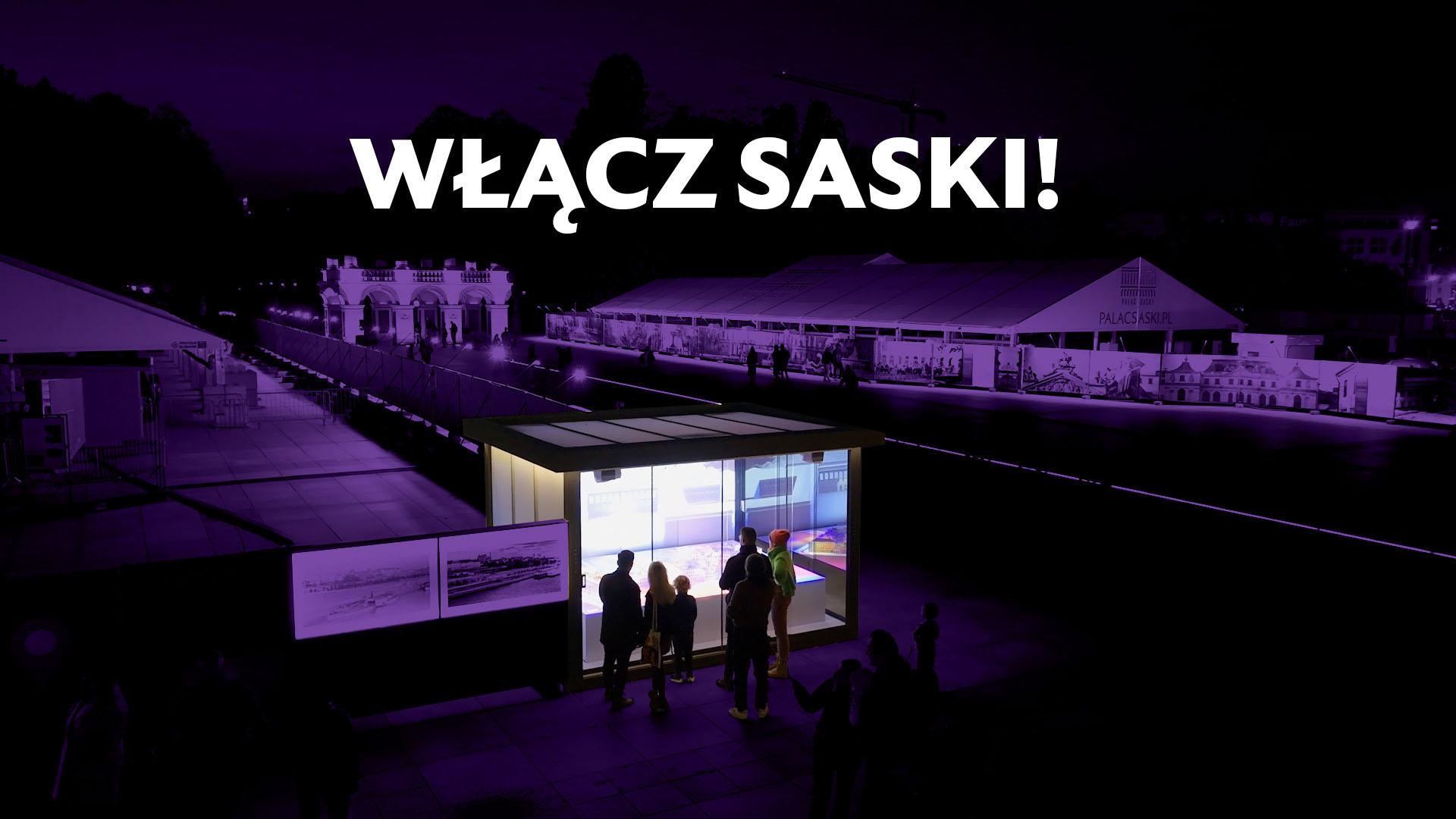
Na obrazku widoczny jest plac Piłsudskiego w kolorze fioletowym. Na środku obrazka widoczny jest przeszklony pawilon w kolorze. Wokół pawilonu, w którym widać multimedialną prezentację, stoi grupa widzów.

Switch on the Saski Palace! A multimedia show in Piłsudski Square

A 3D model of the reconstructed Saski (also Saxon) and Brühl Palaces, along with the townhouses on Królewska Street, which has been attracting the attention of passersby in Piłsudski Square, Warsaw, since May 2024, has been given a new splash of colour. Now, inside the glass pavilion, visitors to the city centre can watch a […]
Na ciemnym

3D scanning of façade elements of the Saski and Brühl Palaces

Three-dimensional scanning of preserved elements from the former façades of the Saski Palace (also Saxon Palace), the Brühl Palace and the Beck Pavilion is one way the latest technology is being utilised in the reconstruction of the western frontage of Piłsudski Square in Warsaw. The process captures the geometry of façade elements from historic buildings […]

A short report from the Saxon Garden Festival

The Saxon Garden Festival is a unique outdoor event in Poland’s oldest public park. On 25 May 2024, the garden alleys and the neighbouring Piłsudski Square hosted tens of thousands of people for the third time, who for one day had the opportunity to travel back in time to the inter-war period. Parades of vintage […]

Geodetic monitoring of the Tomb of the Unknown Soldier

Not all of the reconstruction works on the western frontage of Piłsudski Square are as spectacular as the construction of a roofing over the relics of the Saski Palace listed in the register of monuments. Such activities, which are necessary during the preparation of the investment, although not noticeable to most outsiders, include geodetic monitoring […]

The historic walls of the Saski Palace have gained roofing

The construction of the roofing over the historic basement of the Saski Palace was completed in March 2024. In this way, the remains of the palace walls gained protection from the adverse effects of precipitation over an area of more than 2,100 m2. Two independent metal structures with PVC membrane covering were made by Protan […]

Archaeological work on the grounds of the Brühl Palace - 2023 season

The first archaeological research on the site of the former Brühl Palace is behind us. In six months of work, almost 10,000 objects from different time periods of were found and inventoried. At the same time, archaeological research has made it possible to confront historical plans of the Brühl Palace with the actual state, uncovering […]

2023: summarising the activities of Pałac Saski sp. z o.o.

Two years have passed since the project to rebuild the Saski Palace, the Brühl Palace and three townhouses on Królewska Street in Warsaw began, implemented on the basis of the Act of 11 August 2021 adopted by the Sejm and the Senate. After the uncovering of the relics of the cellar of the Saski Palace, […]

Help us rebuild the Saski Palace with your family photos

After analyzing data on the Saski Palace, Brühl Palace and townhouses on Królewska Street found in domestic and foreign archives, we believe that key photos from before 1945 are still waiting to be discovered in private collections. If you have family pictures of these buildings, share them and rebuild 300 years of Polish history with […]

The first season of the path “Around the basements of the Saski Palace”

With the weather deteriorating and the days getting shorter, the opportunity to visit the exposed foundations of the western frontage of Piłsudski Square came to an end at the end of October 2023. Within a few months, the educational path “Around the basements of the Saski Palace” attracted more than seven thousand people interested in […]