Historic fragment of the Royal Castle discovered at the Brühl Palace site
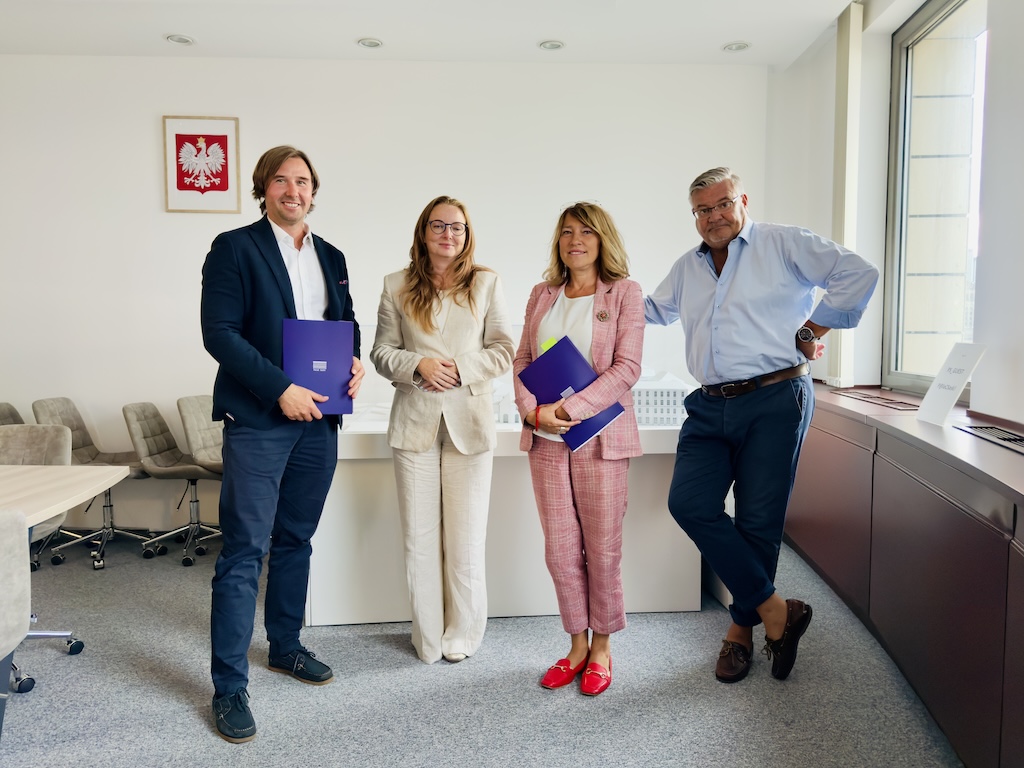
On 31 March 2025, at the initiative of the Pałac Saski company, a fragment of a stone plaque that once adorned the Royal Castle’s eastern façade was formally presented to the Royal Castle at a ceremony in the Knights’ Hall. The inscribed sandstone slab, discovered during the first season of archaeological excavations conducted by the company at the site of the former Brühl Palace, is among the finds that have puzzled experts.
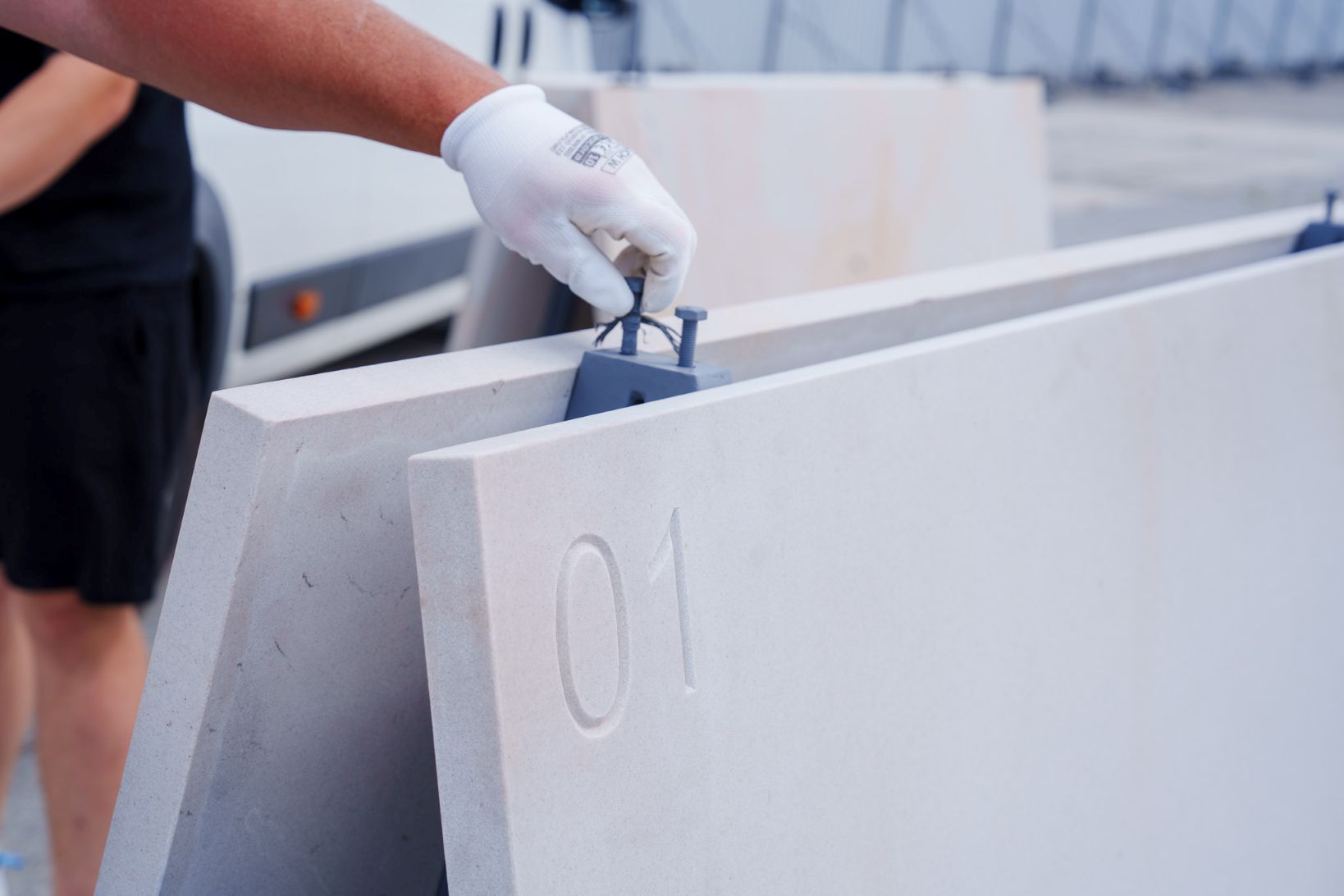
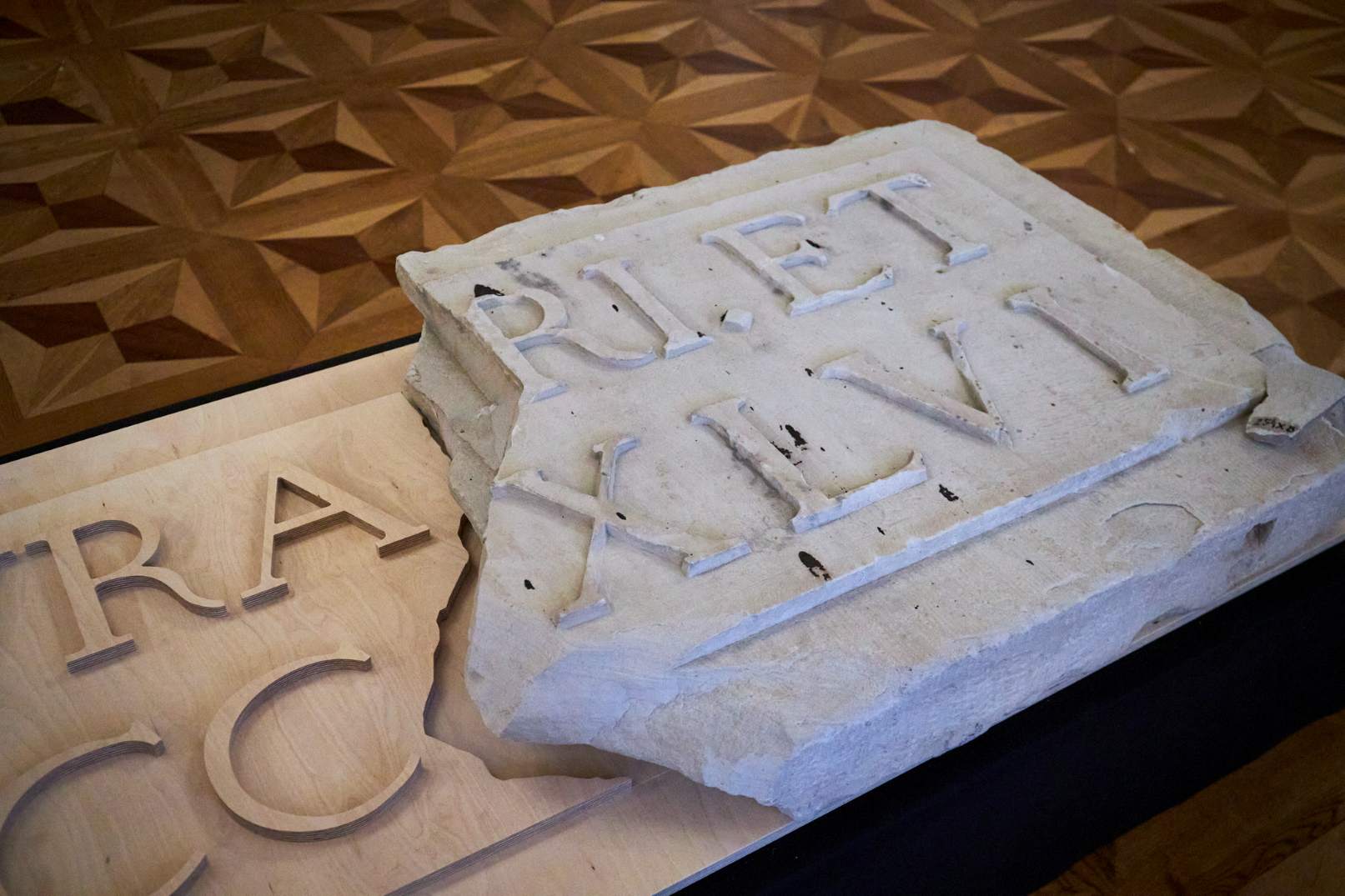
Archaeological investigations carried out on the grounds of the Brühl Palace have yielded nearly 10,000 finds spanning various periods. Most of the artefacts, such as pottery fragments and architectural details, are connected with the long history of the site. However, among the stonework were a few objects of uncertain – and initially unclear – provenance. One such artefact was a partially preserved plaque with a Latin inscription. Made of sandstone, the slab puzzled researchers, as it did not match the appearance of the Brühl Palace or its surroundings. The mystery was solved by Professor Jakub Sito of the Institute of Art of the Polish Academy of Sciences, who identified the plaque as an element that once decorated the façade of the Royal Castle on the Vistula side. Its inscription records that the so‑called Saxon Wing of the building was ordered to be extended by King Augustus III ‘the Saxon’:
AUGUSTUS.III.P.P.INSTAURARI.ETORNARI.CURAVIT.MDCCXLVI, (Augustus III, Father of the Fatherland, ordered construction and ornamentation in 1746)
A city in ruins
While the mystery of the plaque’s origin has been solved, the question of how it ended up where it was found remains an intriguing one. The details can only be surmised, but the most likely explanation lies in the turmoil of war and its aftermath. Both the Royal Castle and the Brühl Palace, together with the adjacent Saski Palace, were deliberately destroyed by German forces in 1944. After the war, great efforts were made to clear the city of millions of tonnes of rubble, among which lay architectural treasures. It was during that period, amid the titanic work of clearance and planning for Warsaw’s reconstruction, that the fragment of the plaque found its way into the cellars of the Brühl Palace. It is therefore entirely possible that future phases of archaeological investigations – particularly in the as-yet unexplored areas of the palace’s main building – may uncover further artefacts of similar value, whether from the Royal Castle or from other notable historic buildings.
The discovered plaque on display
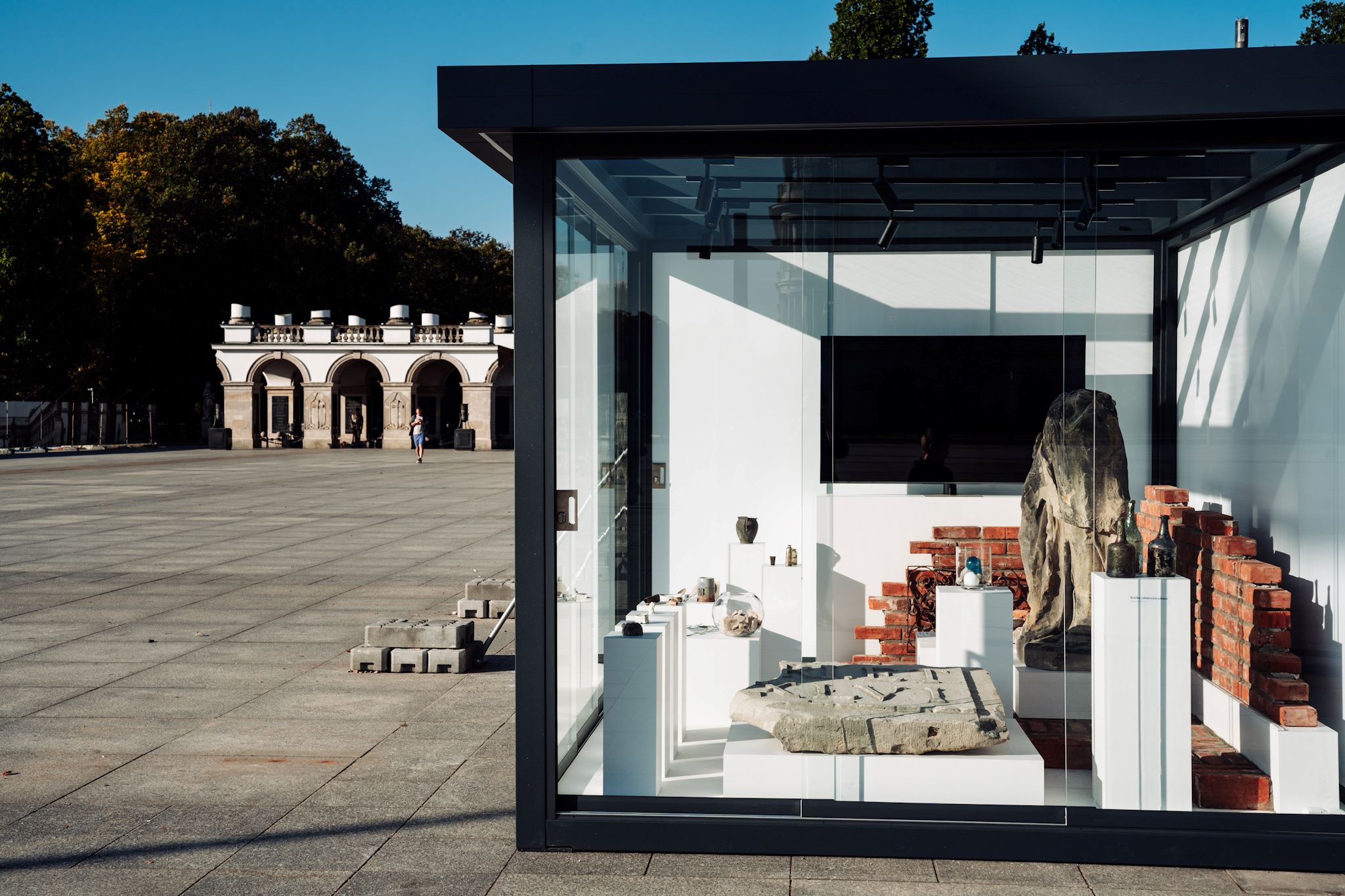
Until recently, the fragment of the plaque with the inscription was on display at the exhibition ‘Treasures of the Brühl Palace’, which remains open in Piłsudski Square. From April, it will go on display in a new setting – the temporary exhibition ‘Saxon Visions: Architecture of Power’ at the Royal Castle in Warsaw. This will be an excellent opportunity not only to see the artefact itself but also to understand the historical context of its creation. The exhibition traces the history of the Castle during the reigns of Augustus II and Augustus III. It will feature, among other items, original architectural drawings from the collections of the Saxon State Archive in Dresden, depicting designs and visions by leading architects and artists of the Saxon era.