Contrast
Size
news

Teren Pałacu Brühla w rękach archeologów

16 marca 2026 r. rozpoczął się nowy sezon badań archeologicznych związanych z odbudową zachodniej pierzei Placu Piłsudskiego w Warszawie. Pozostałości murów Pałacu Brühla oraz wszelkie znajdujące się między nimi obiekty już niebawem ujrzą światło dzienne po raz pierwszy od momentu uprzątnięcia gruzów po II wojnie światowej.

Archeologia a odbudowa

W ślad za styczniowymi pracami związanymi z oczyszczeniem terenu, na którym do momentu wysadzenia, czyli 18 grudnia 1944 r., znajdował się Pałac Brühla, wraz z rozmarznięciem gleby rozpoczął się kolejny etap badań archeologicznych. To element przygotowań do realizowanej na mocy ustawy z 11 sierpnia 2021 r. (Dz. U. z 2024 r. poz. 578) inwestycji odbudowy Pałacu Saskiego, Pałacu Brühla oraz kamienic przy ul. Królewskiej w Warszawie. Wymienione budynki powrócą na stołeczną mapę w zewnętrznym kształcie architektonicznym znanym z przedednia wybuchu II wojny światowej, czyli 31 sierpnia 1939 r. Archeologiczne przebadanie tego terenu jest wymogiem prawnym przed rozpoczęciem prac budowlanych, jednak przede wszystkim daje szansę na odkrycie zachowanych fragmentów oryginalnej zabudowy, które docelowo pozwolą jak najwierniej odtworzyć historyczny wygląd pałacowych elewacji i bogatej dekoracji rzeźbiarskiej.
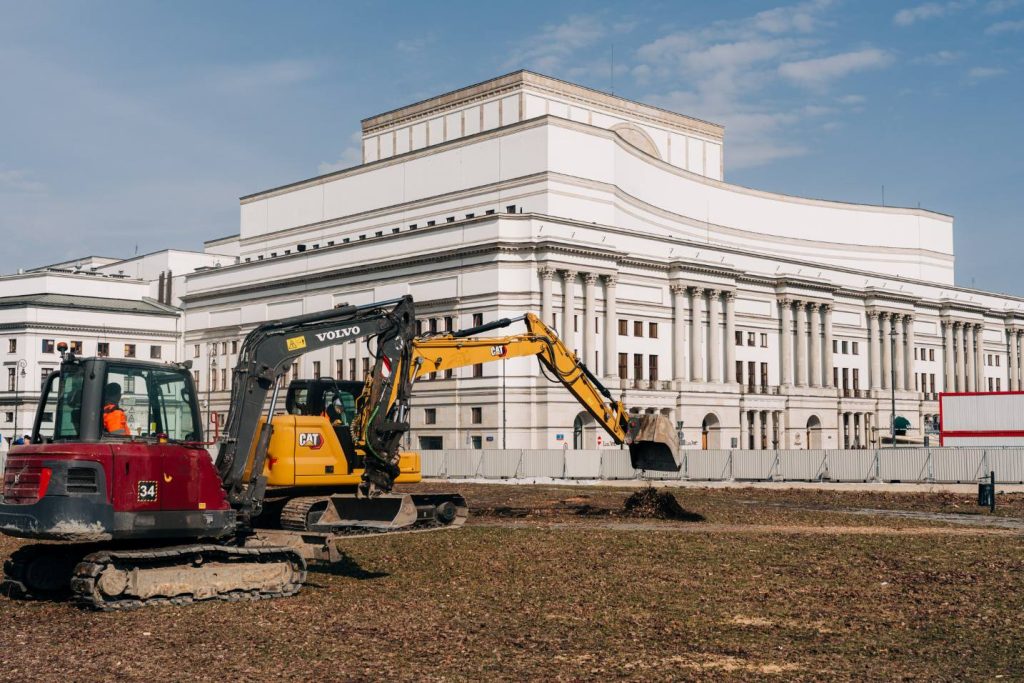
Prace terenowe na obszarze Pałacu Brühla, marzec 2026. Fot. T. Tołłoczko

Blisko hektar historycznej tkanki miasta do przebadania

Rozpoczynające się właśnie prace terenowe u zbiegu ulic Wierzbowej i A. Fredry w pierwszej fazie polegają na geodezyjnym wytyczeniu wykopów archeologicznych, sprawdzeniu saperskim i usunięciu za pomocą koparek wierzchniej warstwy nasypowej i humusu. Z kolei występująca tuż pod ich powierzchnią ziemia, która bezpośrednio przykrywa relikty pałacowej zabudowy, będzie usuwana ręcznie, aby nie doprowadzić do ewentualnych mechanicznych uszkodzeń  znalezisk. Wykonawcą prac jest konsorcjum składające się ze Stowarzyszenia Starożytników, Państwowego Muzeum Archeologicznego w Warszawie oraz firmy Kamil Jaroń, Daniel Jaroń Jardźwig S.C. Przed pracownikami stoi znaczące wyzwanie, obszar prowadzonych prac wyniesie bowiem ok. 8150 m2. Odkrywanie kolejnych warstw kulturowych i obiektów ukrytych na poziomie najniższych kondygnacji dawnej siedziby Ministerstwa Spraw Zagranicznych potrwa do jesieni, a prace na terenie Ogrodu Becka kontynuowane będą również w przyszłym roku. O odkrywanych powoli artefaktach będziemy informować na bieżąco na stronie palacsaski.pl oraz w mediach społecznościowych.
news

Agreement negotiations for the reconstruction design of the Saski and Brühl Palaces and Królewska Street tenement houses

On 25 August 2025, formal negotiations began between the Pałac Saski company and the architecture practice WXCA Group. That same day, the practice received an invitation to open negotiations on an agreement to prepare the architectural design for the reconstruction of the Saski Palace (also Saski Palace), the Brühl Palace and the tenement houses at […]

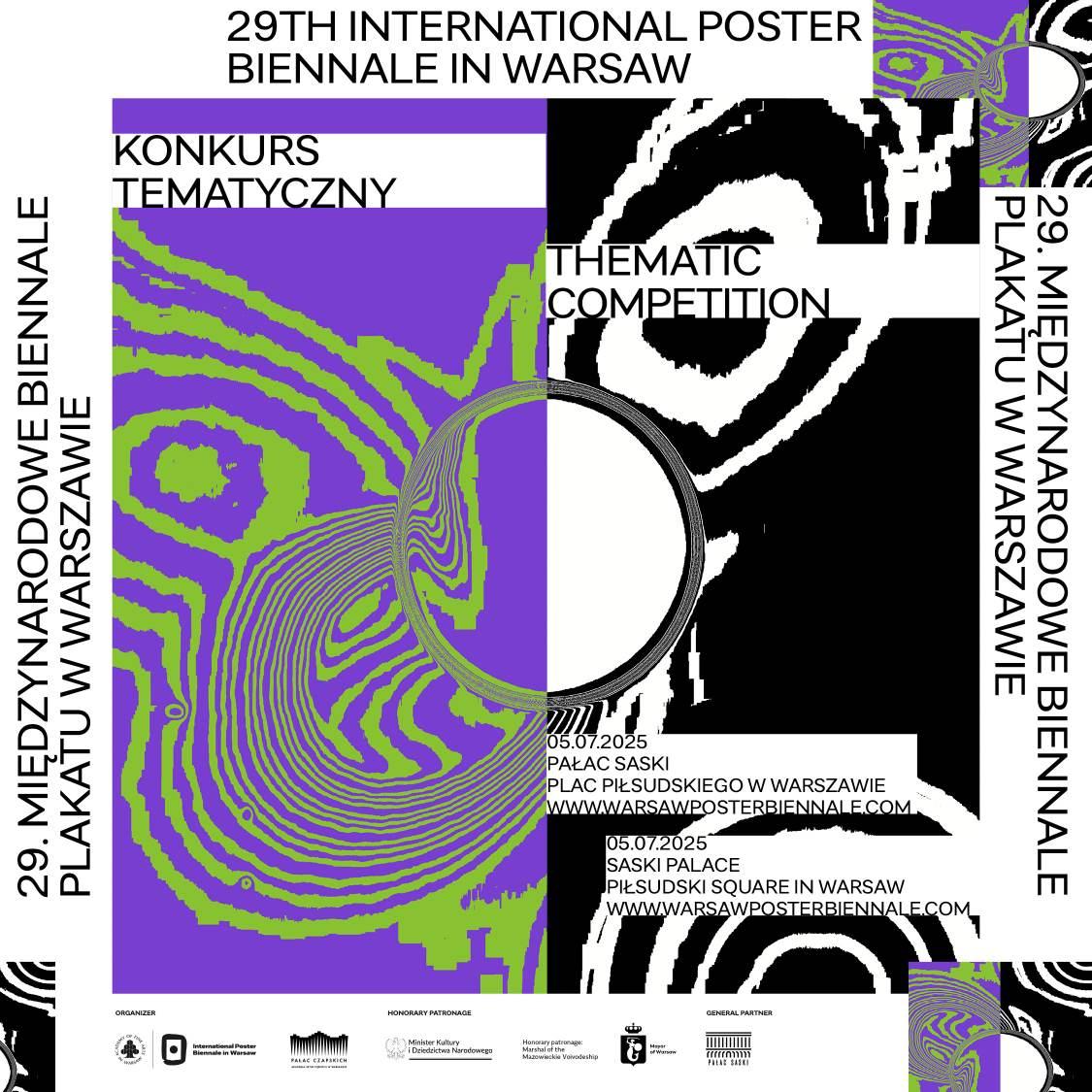
29th International Poster Biennale – Exhibition on Piłsudski Square

For the second time, the fencing around the reconstruction site for the Saxon and Brühl Palaces, as well as the tenement houses on Królewska Street, will serve as an outdoor poster gallery. The open‑air exhibition ‘Quo Vadis’, featuring selected works by artists taking part in the 29th International Poster Biennale in Warsaw, will be on […]

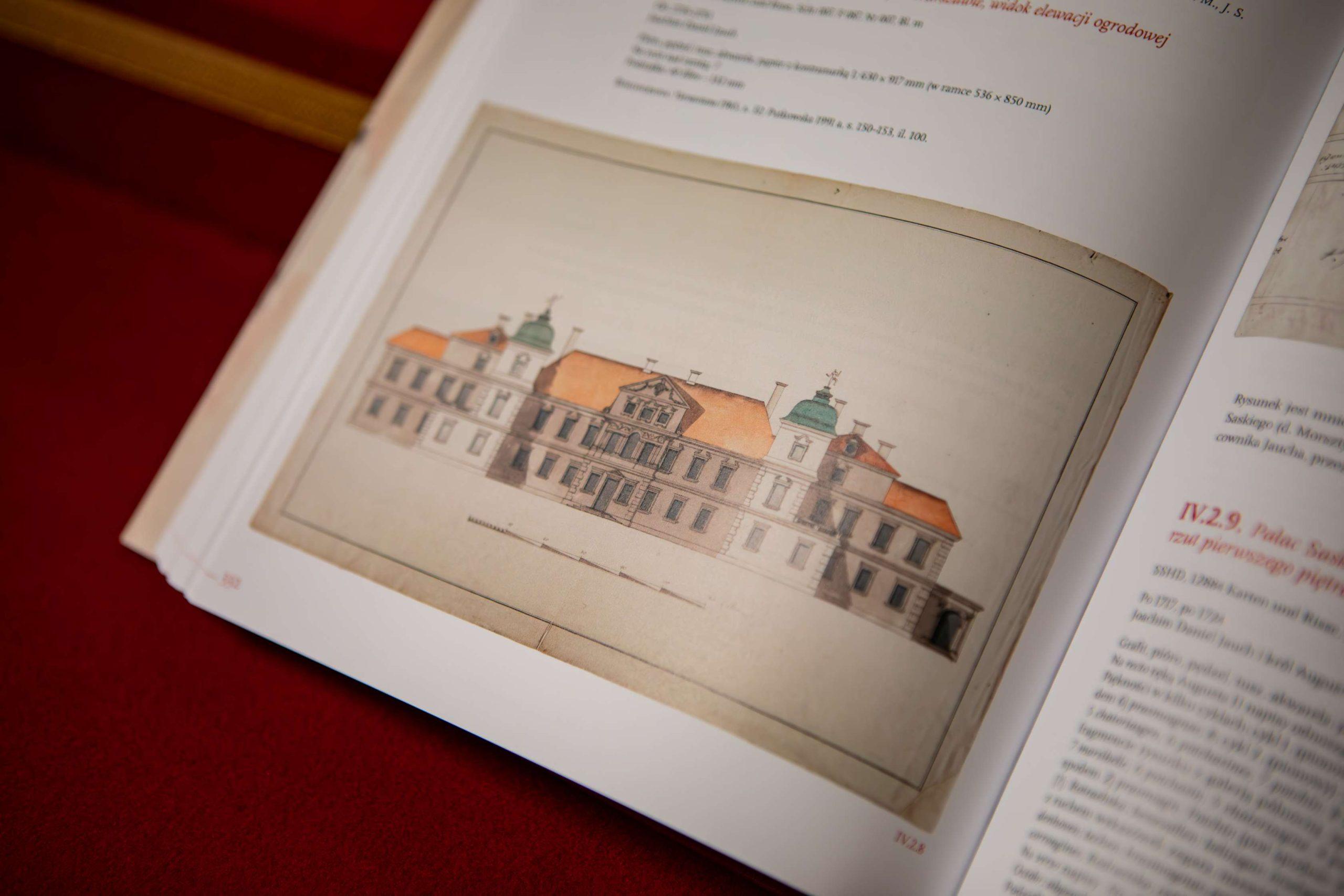
A new catalogue of works from the Dresden archives: the Saxon Palace in historic drawings

‘Shared Polish‑Saxon Heritage’ is a scholarly catalogue of more than 1,100 architectural drawings from the Saxon era, now held in the Dresden archives. The volume, which includes a collection of essays and is edited by Professors Jakub Sito and Paweł Migasiewicz, was produced in part through cooperation between the Institute of Art of the Polish […]

298th anniversary of the Saxon Garden

The last day of May saw the largest Saxon Garden Festival to date. Nearly 80,000 Warsaw residents and visitors took part in the fourth edition of the all‑day retro event, whose 2025 programme was expanded with contributions from new partners. As a result, alongside musicians, interwar‑period re‑enactors, enthusiasts of penny‑farthings and automobiles, and virtual‑reality specialists, […]

Forum of Good Reconstruction Practices. The Saski Palace and the challenges of modernity

What challenges arise when reconstructing historic buildings with the latest technologies? This was just one of the topics discussed during the ‘Forum of Good Reconstruction Practices’, held in March 2025. This expert symposium forms part of the ongoing preparatory works for the reconstruction of the Saski and Brühl Palace complex, alongside the tenement houses on […]

Historic fragment of the Royal Castle discovered at the Brühl Palace site

On 31 March 2025, at the initiative of the Pałac Saski company, a fragment of a stone plaque that once adorned the Royal Castle’s eastern façade was formally presented to the Royal Castle at a ceremony in the Knights’ Hall. The inscribed sandstone slab, discovered during the first season of archaeological excavations conducted by the […]