"Rebuilding What Was Lost" Conference Registration
Registration is now open for academics, researchers, and specialists interested in attending the "Rebuilding What Was Lost. Current Challenges in Restoring and Reconstructing Architectural Heritage” conference. The event will take place on September 20 and 21, 2023 in Warsaw.

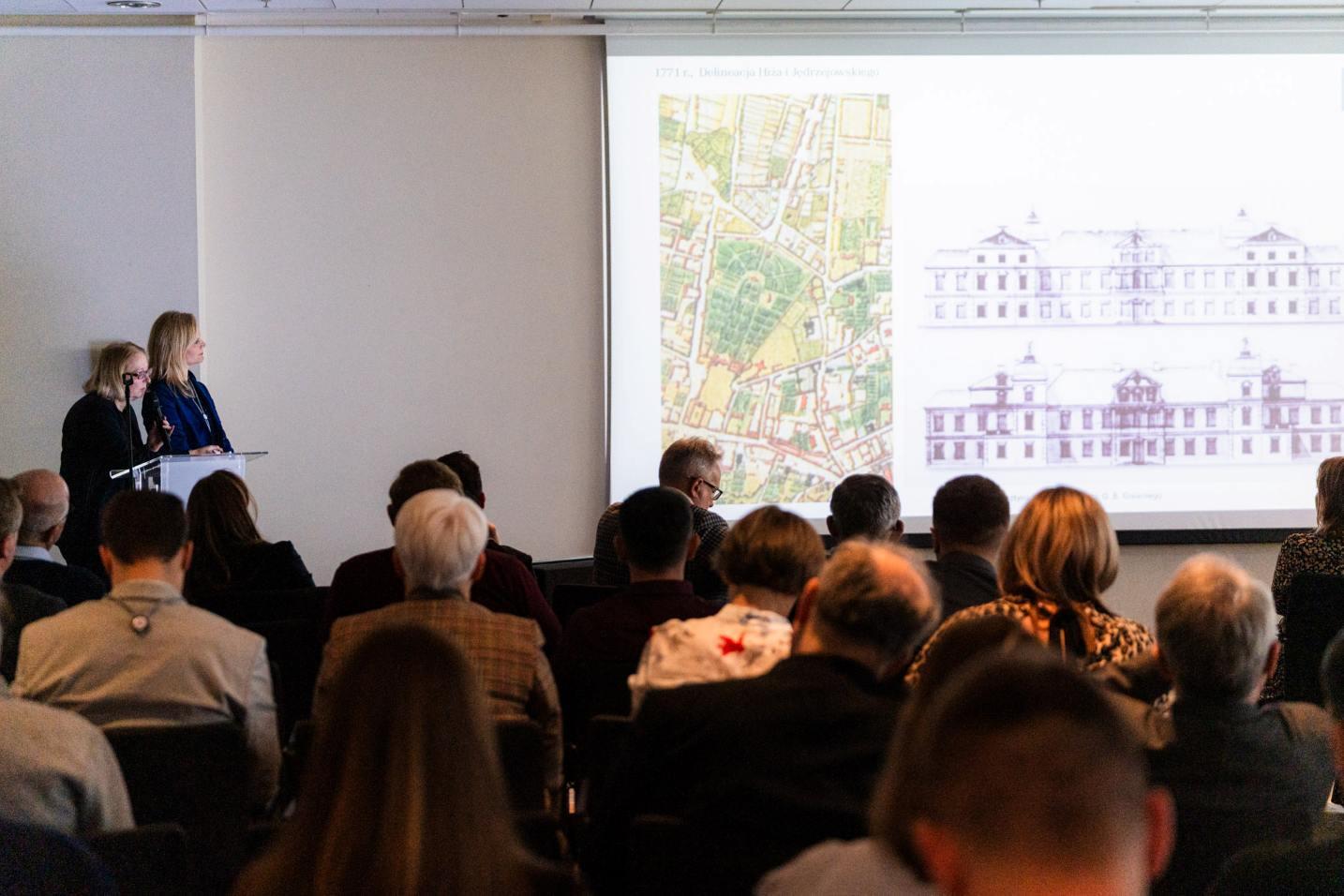
The multidisciplinary "Rebuilding What Was Lost" conference is organized by the Saski Palace company together with the Academy of Fine Arts in Warsaw, which will host the event in its main building – the Czapski Palace at 5 Krakowskie Przedmieście St. The partners of the event are the Association of Polish Architects SARP and the National Institute for Monument Conservation.
Registration is now closed.
"Rebuilding What Was Lost" Conference details
The topics of the conference revolve around the themes of restoration and reconstruction of historically significant sites. In the wake of the many dramatic events of the 20th century, the international community was faced with the challenges of protecting the world's tangible and intangible heritage. During this time, particularly because of armed conflicts, a whole range of sites of exceptional importance to both local communities and to humanity in general were lost.
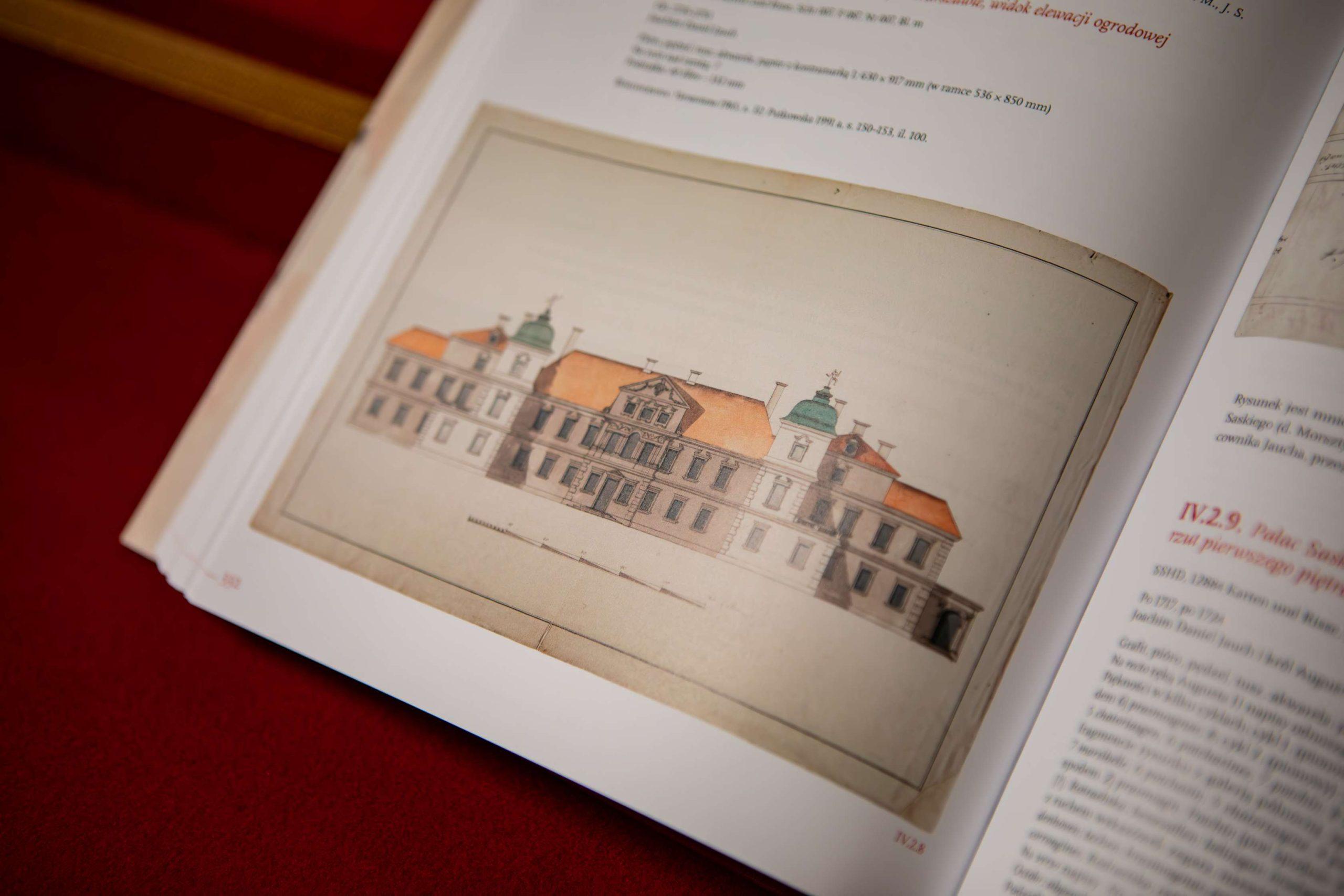
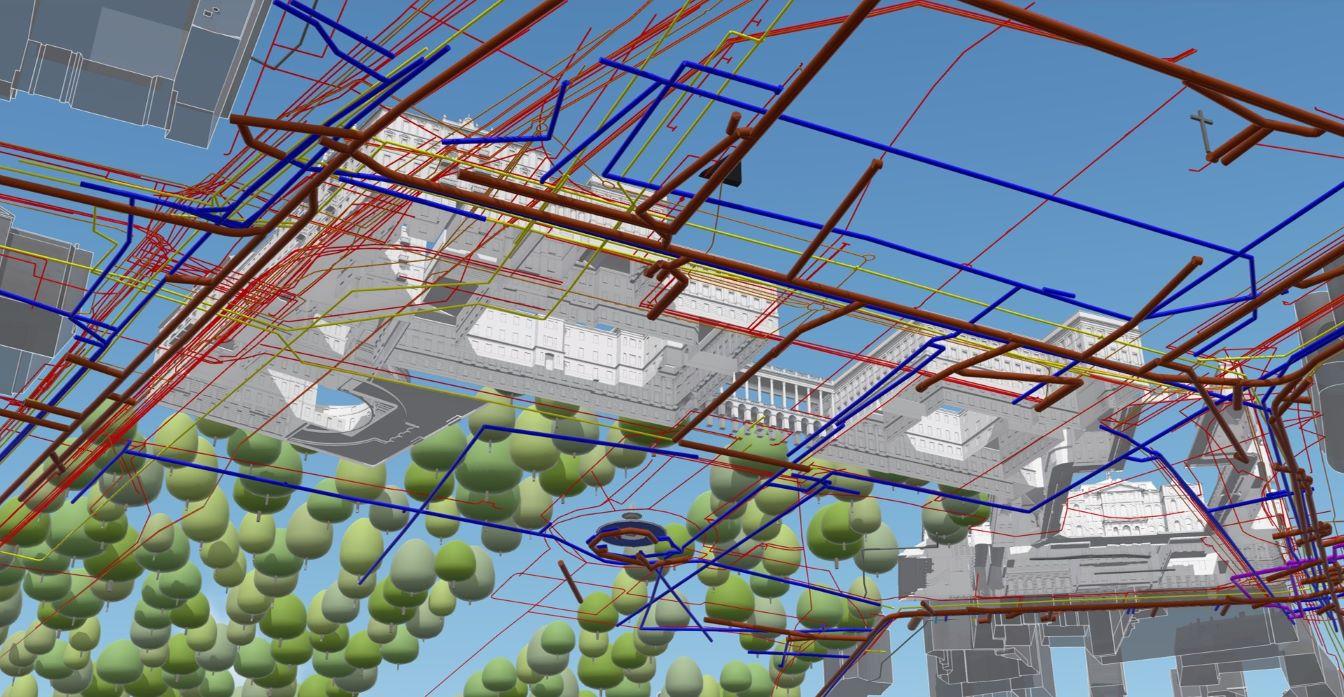
Decisions to rebuild architectural heritage were taken not only immediately after the destruction and the end of hostilities, as was the case for example with the reconstruction of the Old Town in Warsaw after World War II, but also decades later, where the Berlin Palace, completed in 2020, can serve as an example. Today, this trend also includes the reconstruction of the Saski Palace, the Brühl Palace and three townhouses on Królewska Street in Warsaw – buildings that formed the western frontage of today's Piłsudski Square (Plac Marsz. Józefa Piłsudskiego) and which were deliberately destroyed during World War II.
These issues seem particularly relevant in the context of the destruction of historic buildings we are currently witnessing. The war waged by Russia against Ukraine brings, first and foremost, the loss of human life, but also the deliberate destruction of heritage which cements the society and conveys its history and identity.
Areas of interest covered at the conference
The international “Rebuilding What Was Lost” conference presents an opportunity to discuss issues related to the reconstruction of historic buildings or buildings that are designed in a historic form, such as conservation and architectural or urban planning challenges. It is also worth posing a question about the added value of initiatives aiming to restore destroyed buildings – not only in Poland, but above all worldwide – and to look at the challenges faced by the projects which incorporate historical buildings into the contemporary urban fabric while respecting the cultural and historical identity of local residents.
The following areas of interest will be discussed at the conference:
- Saski Palace, Brühl Palace – the value of reconstruction and the reconstruction of values
- Historical architecture in contemporary urban setting
- Traditional craftsmanship versus contemporary restorations
- Functions and social perception of reconstructed buildings.
Contact: konferencja@palacsaski.pl
Co-financed from the funds of the Ministry of Culture and National Heritage of the Republic of Poland "Reconstruction of the Saski Palace, the Brühl Palace and tenements at Królewska Street - preparation works".