Contrast
Size
news

Płaskorzeźby z Pałacu Brühla w zbiorach Muzeum Ziemi PAN

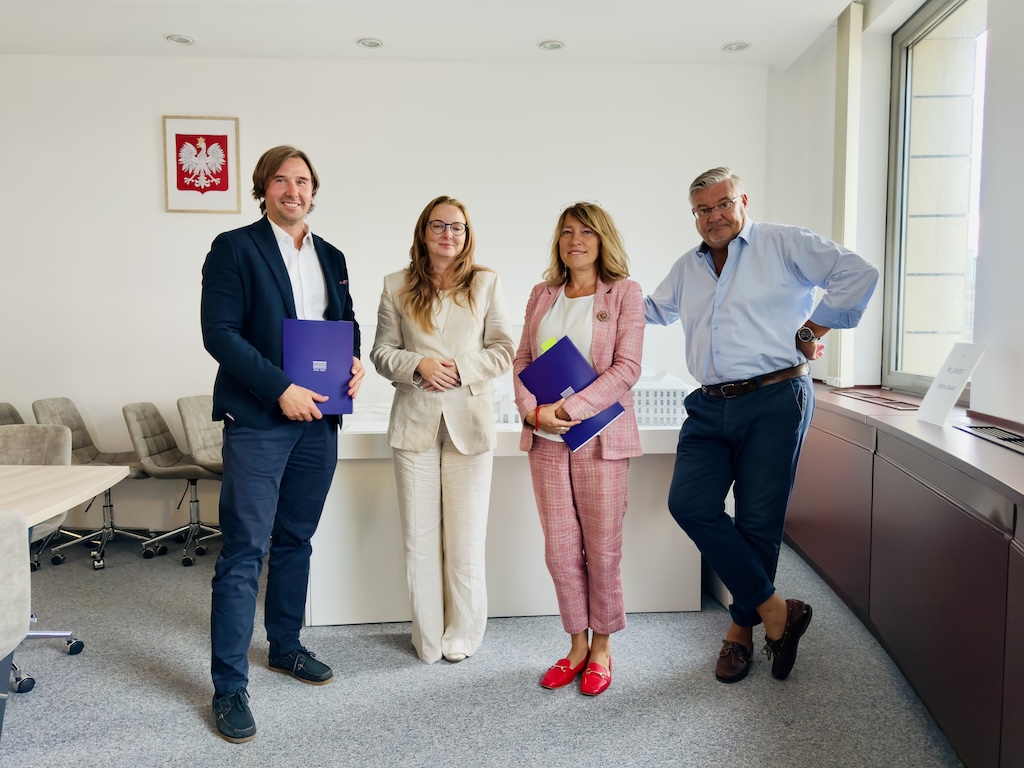
Muzeum Ziemi Polskiej Akademii Nauk wesprze proces odbudowy zachodniej pierzei pl. Piłsudskiego – 9 listopada 2022 r. podpisany został list intencyjny, w którym strony deklarują wolę współpracy. Będzie się ona opierać na wspólnych działaniach na rzecz promocji i upowszechniania nauki, ochrony dziedzictwa i odnowy zabytków, a także na prowadzeniu badań naukowych. Przedmiotem tych ostatnich będą między innymi, znajdujące się w zbiorach Muzeum Ziemi PAN, elementy dekoracji rzeźbiarskiej Pałacu Brühla w Warszawie.

Kobieta i mężczyzna podają sobie ręce w sali biurowej.
Dyrektor PAN Muzeum Ziemi Anna Piontek i Prezes Pałac Saski sp. z o.o. Jan Kowalski. Fot. mat. własne

Wysadzenie Pałacu Brühla przez wycofujące się wojska okupacyjne w grudniu 1944 r. obróciło gmach w perzynę. O dziwo hekatombę tę przetrwały fragmenty dekoracji rzeźbiarskiej fasady budynku. Największa część pozostałości piaskowcowych rzeźb, będących pierwotnie częścią dekoracji tympanonu Pałacu, jest dziś przechowywana w zbiorach Muzeum Ziemi PAN. 11 zachowanych elementów przed wojną tworzyło trójkątną, płaskorzeźbioną kompozycję z motywami batalistycznymi i symbolicznymi, zwieńczoną figurą rzymskiego wojownika. Wśród pozostałości po płaskorzeźbach rozpoznać można głowy lwa i orła, dekorację heraldyczną czy też panoplia. Tympanon liczył oryginalnie ponad 8 metrów długości, za okazałe należy uznać też jego relikty - każdy z nich mierzy około metra.

Fragment kamieniarki z zarysem ptaka, jeden z elementów Pałacu Bruhla z Muzeum Ziemi.
Fragment płaskorzeźby pochodzącej z elewacji Pałacu Brühla, 2022. Fot. mat. własne

Płaskorzeźby trafiły na elewację frontową Pałacu w połowie lat 30. XX w. Wówczas miała miejsce przebudowa gmachu według planów Bohdana Pniewskiego. Architekt zdecydował o zastąpieniu dotychczasowej dekoracji gipsowej reliefami wykonanymi w piaskowcu szydłowieckim. Wydobyte z gruzów ocalałe rzeźby pierwotnie składowano w ogrodach Zamku Królewskiego. Na początku lat 50., po wcześniejszym zinwentaryzowaniu, trafiły do Muzeum Ziemi PAN, które mieści się w dawnej willi Bohdana Pniewskiego na warszawskim Solcu.

Osią działań zainicjowanych podpisaniem listu intencyjnego pomiędzy spółką celową Pałac Saski sp. z o.o. a Muzeum będą więc rzeźbiarskie ostańce Pałacu Brühla i zagadnienia rekonstrukcji kamiennej dekoracji fasady gmachu. O wynikach badań i dalszych działaniach będziemy informować wkrótce.
news

Agreement negotiations for the reconstruction design of the Saski and Brühl Palaces and Królewska Street tenement houses

On 25 August 2025, formal negotiations began between the Pałac Saski company and the architecture practice WXCA Group. That same day, the practice received an invitation to open negotiations on an agreement to prepare the architectural design for the reconstruction of the Saski Palace (also Saski Palace), the Brühl Palace and the tenement houses at […]

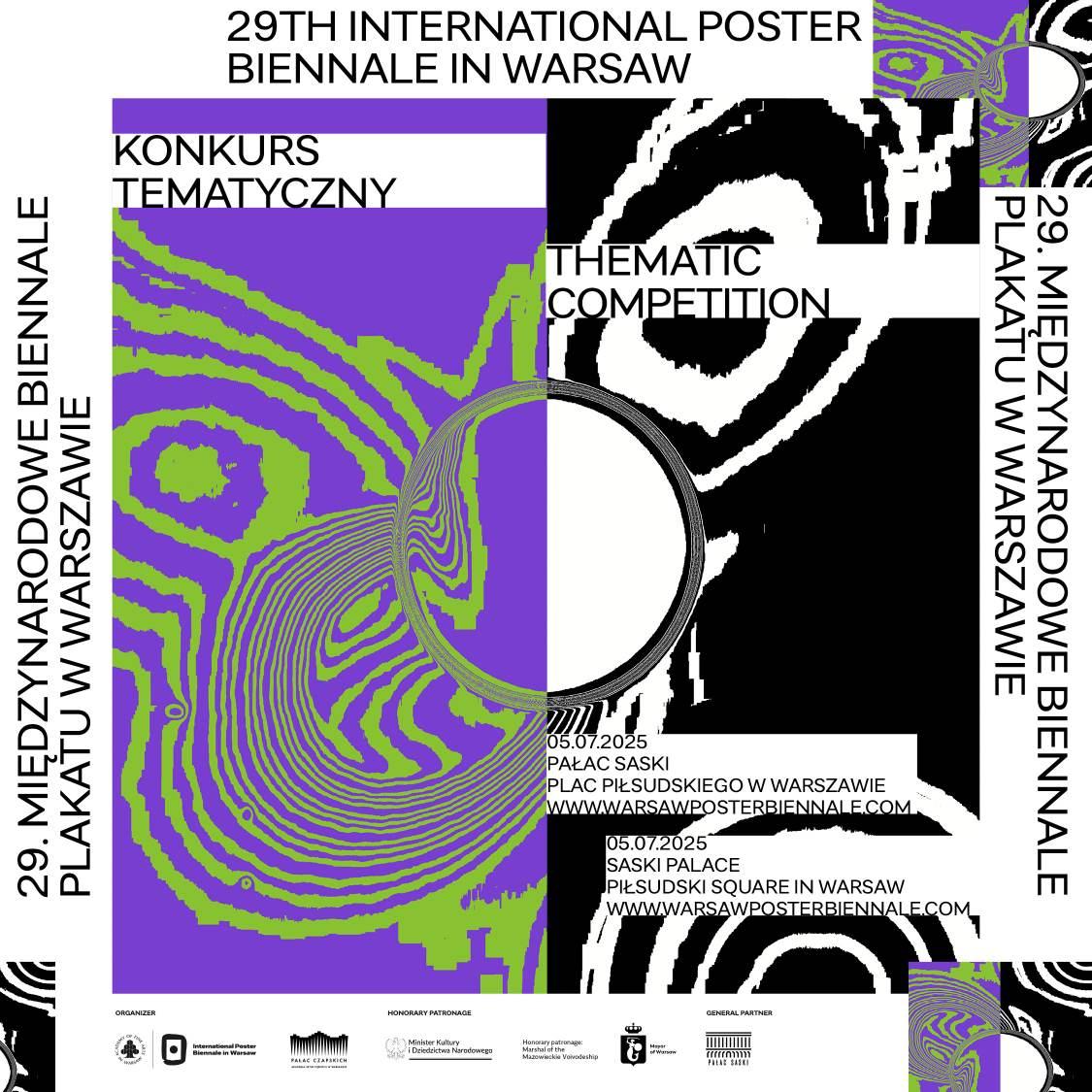
29th International Poster Biennale – Exhibition on Piłsudski Square

For the second time, the fencing around the reconstruction site for the Saxon and Brühl Palaces, as well as the tenement houses on Królewska Street, will serve as an outdoor poster gallery. The open‑air exhibition ‘Quo Vadis’, featuring selected works by artists taking part in the 29th International Poster Biennale in Warsaw, will be on […]

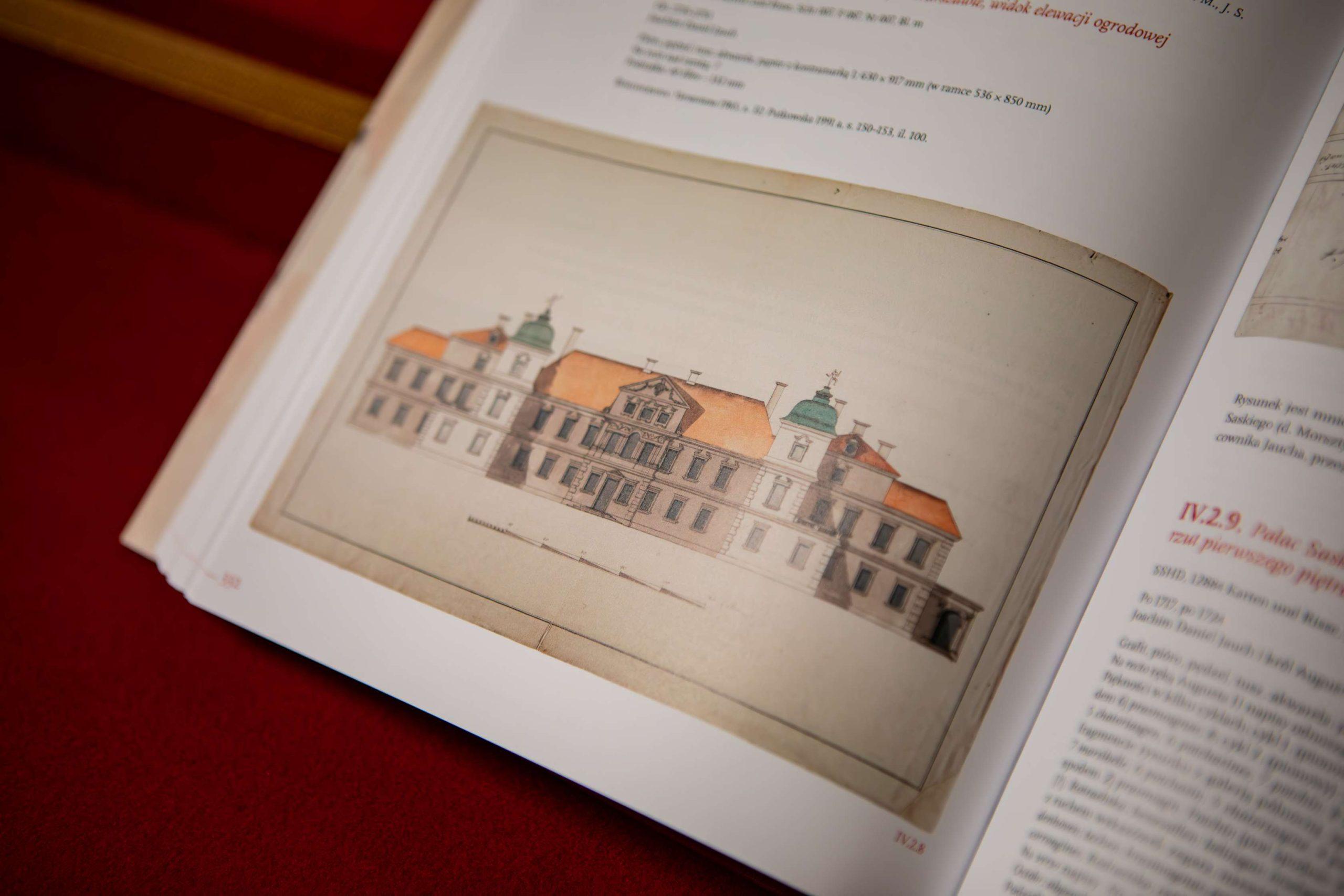
A new catalogue of works from the Dresden archives: the Saxon Palace in historic drawings

‘Shared Polish‑Saxon Heritage’ is a scholarly catalogue of more than 1,100 architectural drawings from the Saxon era, now held in the Dresden archives. The volume, which includes a collection of essays and is edited by Professors Jakub Sito and Paweł Migasiewicz, was produced in part through cooperation between the Institute of Art of the Polish […]

298th anniversary of the Saxon Garden

The last day of May saw the largest Saxon Garden Festival to date. Nearly 80,000 Warsaw residents and visitors took part in the fourth edition of the all‑day retro event, whose 2025 programme was expanded with contributions from new partners. As a result, alongside musicians, interwar‑period re‑enactors, enthusiasts of penny‑farthings and automobiles, and virtual‑reality specialists, […]

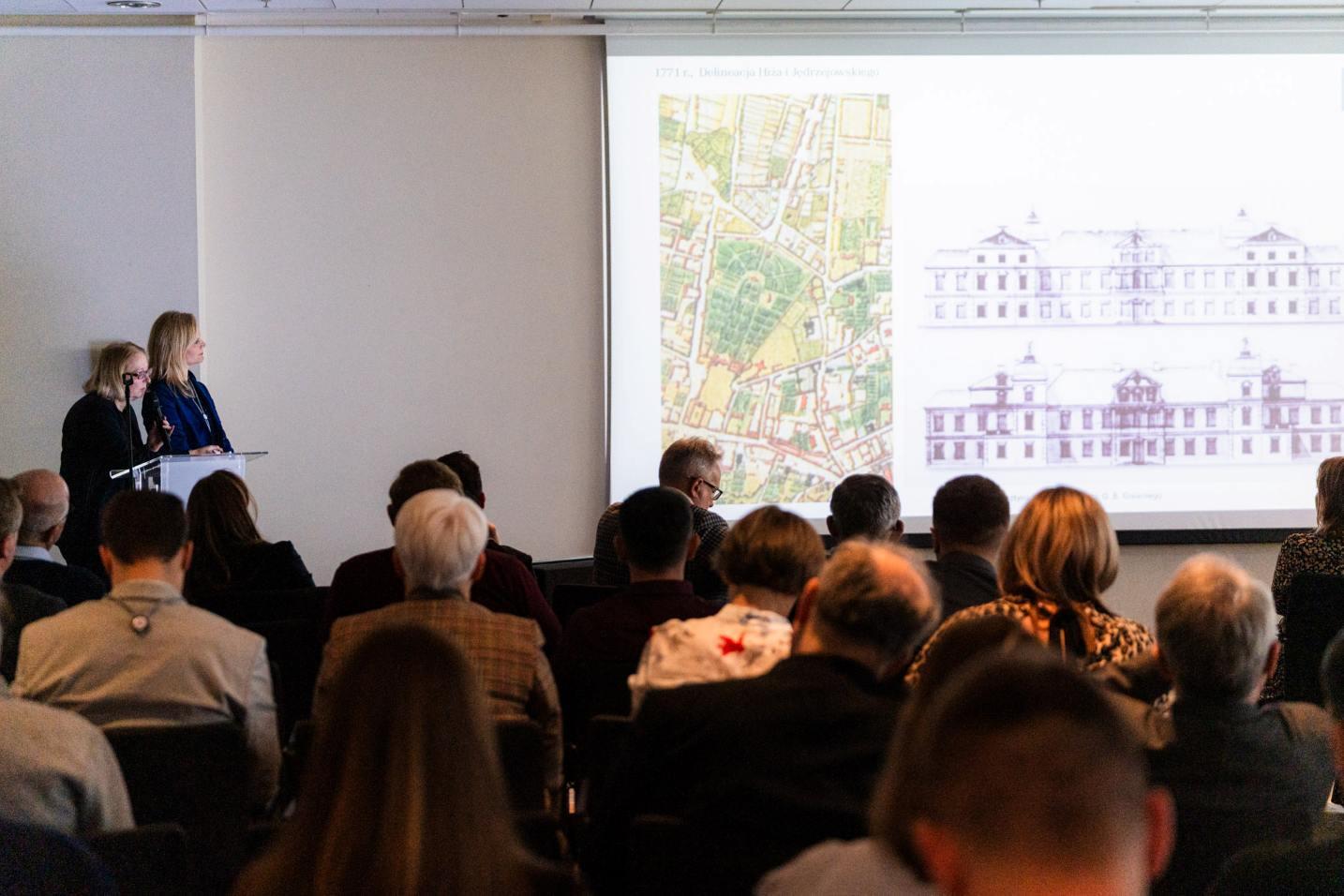
Forum of Good Reconstruction Practices. The Saski Palace and the challenges of modernity

What challenges arise when reconstructing historic buildings with the latest technologies? This was just one of the topics discussed during the ‘Forum of Good Reconstruction Practices’, held in March 2025. This expert symposium forms part of the ongoing preparatory works for the reconstruction of the Saski and Brühl Palace complex, alongside the tenement houses on […]

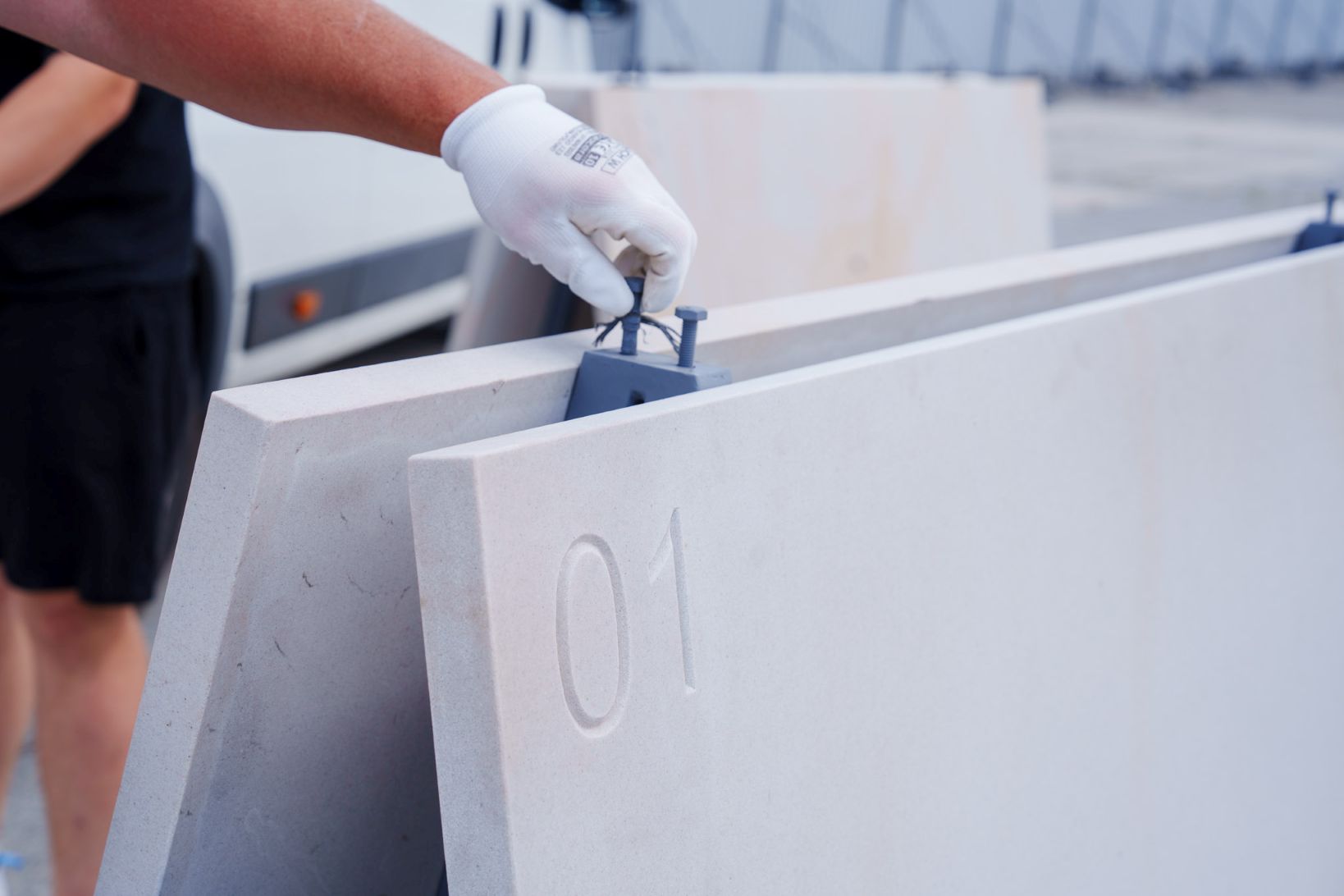
Historic fragment of the Royal Castle discovered at the Brühl Palace site

On 31 March 2025, at the initiative of the Pałac Saski company, a fragment of a stone plaque that once adorned the Royal Castle’s eastern façade was formally presented to the Royal Castle at a ceremony in the Knights’ Hall. The inscribed sandstone slab, discovered during the first season of archaeological excavations conducted by the […]