Contrast
Size
news

Badanie petrograficzne Grobu Nieznanego Żołnierza

26 września 2022 roku plac Piłsudskiego był świadkiem nietypowej sceny: na zlecenie spółki Pałac Saski sp. z o.o. pobrano fragmenty dwóch baz kolumn otaczających Grób Nieznanego Żołnierza. Na próbkach zostanie przeprowadzone badanie petrograficzne, czyli analiza kamienia, która ułatwi wierne odtworzenie kolumnady Pałacu Saskiego.
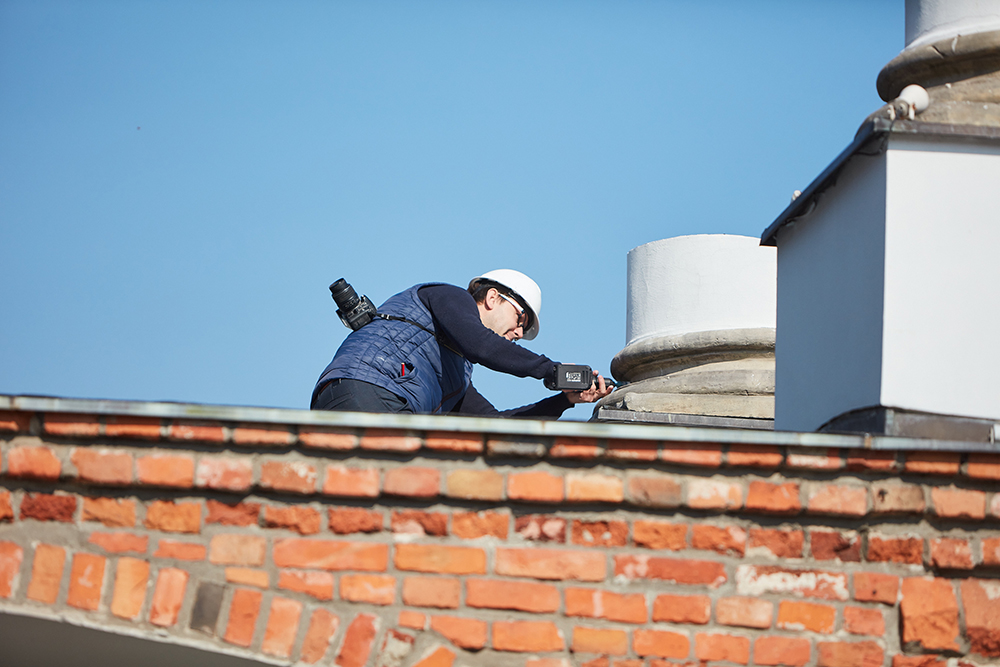
Petrolog w kasku na głowie pobiera wiertarką materiał badawczy z bazy pozostałości jednej z kolumn dawnej kolumnady zburzonego Pałacu Saskiego (obecnie fragment osłania Grób Nieznanego Żołnierza).
Pobranie próbki z fragmentu kolumny nad Grobem Nieznanego Żołnierza. Fot. M. Skwara

W trosce o wierność rekonstrukcji zachodniej pierzei placu Piłsudskiego rozpoczęto badania nielicznie zachowanych kamiennych elementów detalu architektonicznego i rzeźbiarskiego Pałacu Saskiego i Pałacu Brühla. Do oryginalnych fragmentów pałacowej kamieniarki zaliczyć należy część baz kolumn wieńczących Grób Nieznanego Żołnierza. W celu ustalenia rodzaju i właściwości zastosowanego materiału przeprowadzone zostaną badania petrograficzne. Materiał badawczy w postaci walca o średnicy 25 mm i grubości 10 mm pobrano przy użyciu wiertarki z nasadką w postaci koronki diamentowej. Próbki pobrano z możliwie najmniej eksponowanej części zachowanego fragmentu kolumnady Pałacu Saskiego, tak aby badanie nie wpłynęło negatywnie na jego walory estetyczne oraz nie narażało zabytku na szkodliwe działanie czynników atmosferycznych. Pobranie materiału odbyło się za zgodą Mazowieckiego Wojewódzkiego Konserwatora Zabytków.
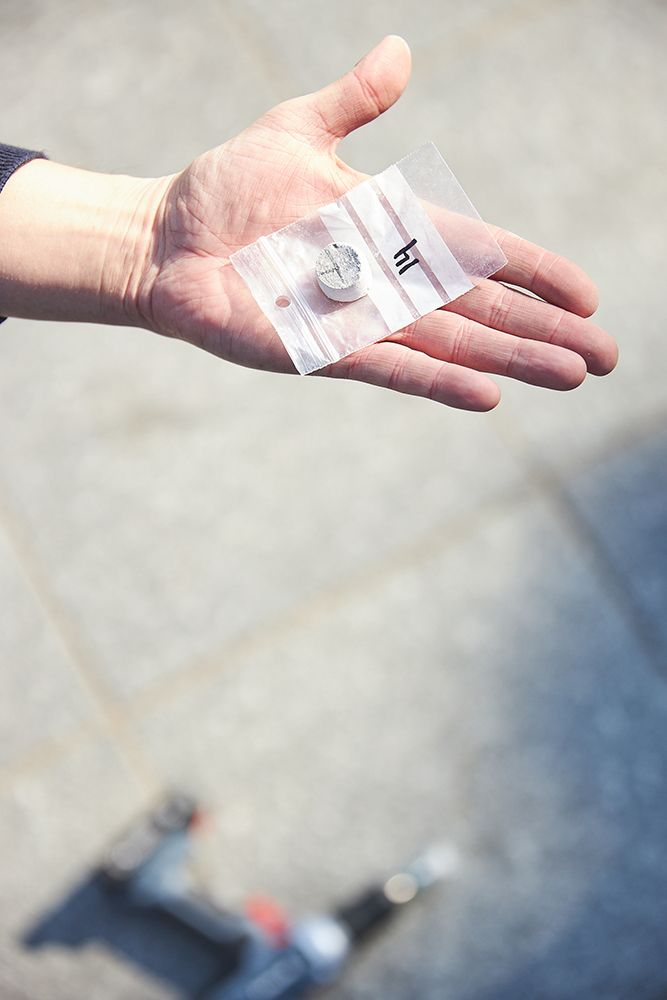
Na położonej na dłoni torebce strunowej z napisem "14" leży pobrany materiał badawczy - fragment kamienia z kolumnady Pałacu Saskiego, przygotowany na badanie petrograficzne Grobu Nieznanego Żołnierza.
Próbka kamienia przeznaczona do badania petrograficznego. Fot. M. Skwara

Działania spółki odpowiedzialnej za odbudowę Pałacu Saskiego, Pałacu Brühla oraz kamienic przy ulicy Królewskiej w Warszawie mają na celu odtworzenie ich wyglądu zewnętrznego z 1939 roku dbając o każdy detal. Analiza porównawcza pobranego materiału oraz próbek pozyskanych z czynnych współcześnie kamieniołomów w rejonie Szydłowca pozwoli następnie wybrać piaskowiec najbliższy użytemu pierwotnie do dekoracji elewacji Pałacu Saskiego.
news

Agreement negotiations for the reconstruction design of the Saski and Brühl Palaces and Królewska Street tenement houses

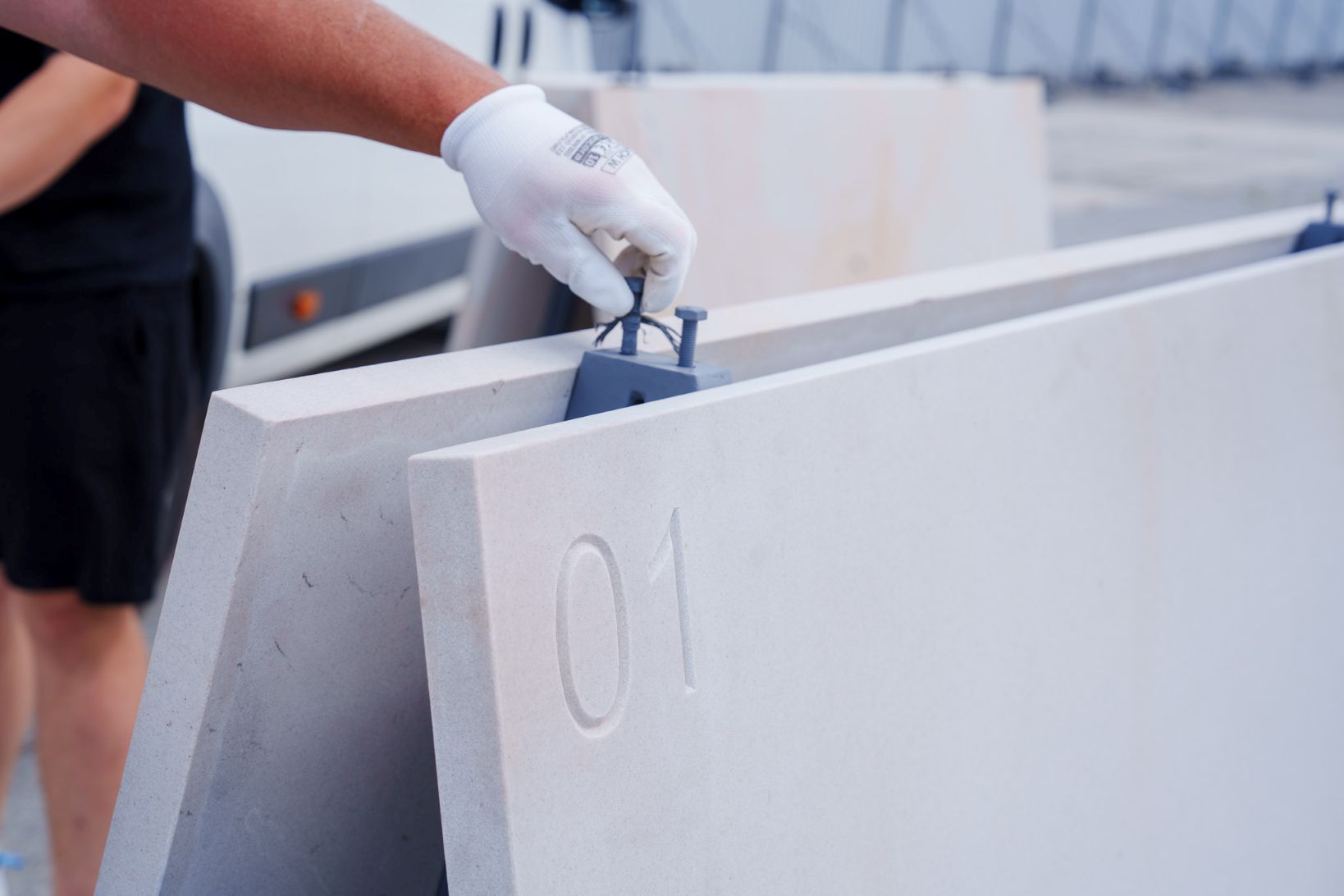
On 25 August 2025, formal negotiations began between the Pałac Saski company and the architecture practice WXCA Group. That same day, the practice received an invitation to open negotiations on an agreement to prepare the architectural design for the reconstruction of the Saski Palace (also Saski Palace), the Brühl Palace and the tenement houses at […]

29th International Poster Biennale – Exhibition on Piłsudski Square

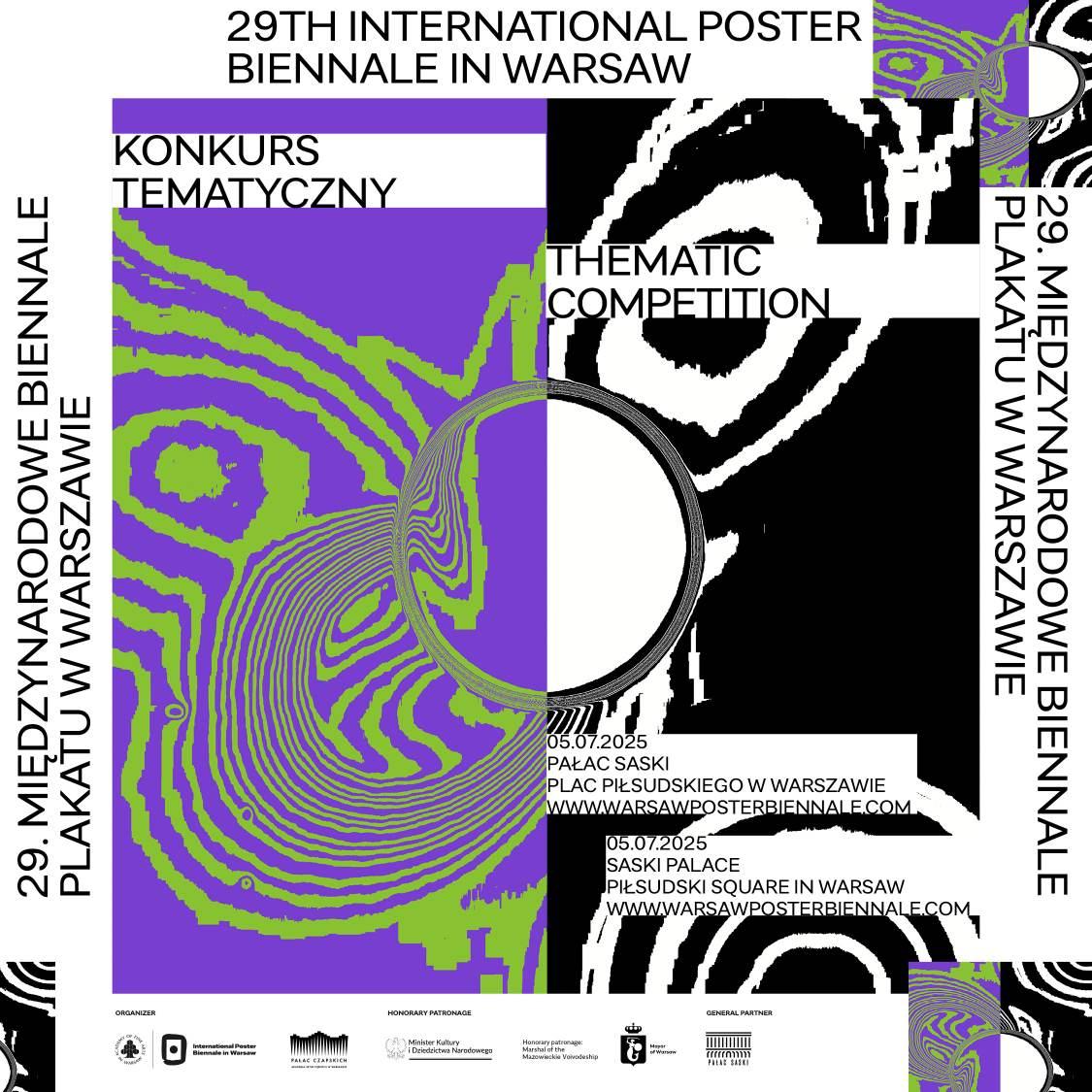
For the second time, the fencing around the reconstruction site for the Saxon and Brühl Palaces, as well as the tenement houses on Królewska Street, will serve as an outdoor poster gallery. The open‑air exhibition ‘Quo Vadis’, featuring selected works by artists taking part in the 29th International Poster Biennale in Warsaw, will be on […]

A new catalogue of works from the Dresden archives: the Saxon Palace in historic drawings

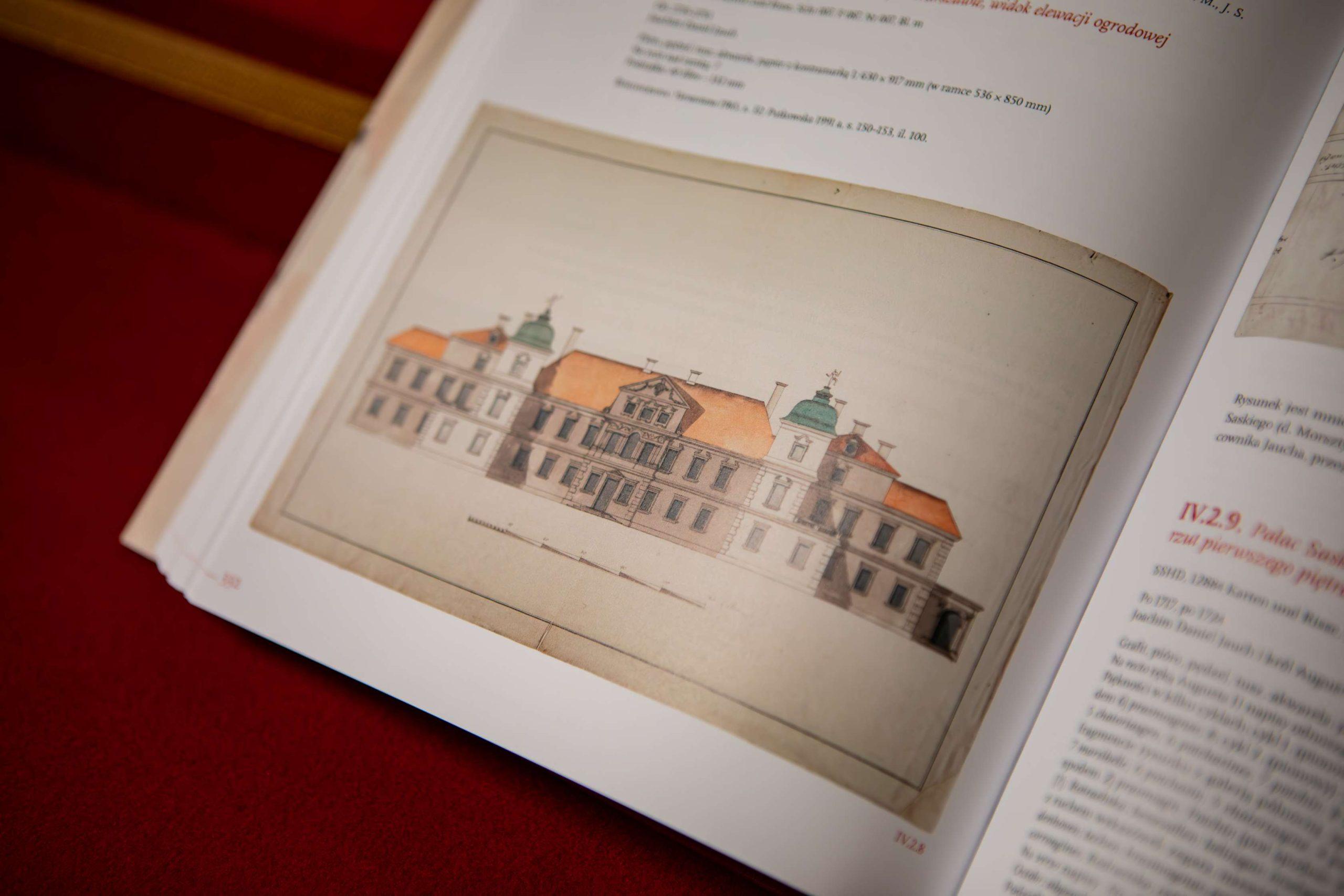
‘Shared Polish‑Saxon Heritage’ is a scholarly catalogue of more than 1,100 architectural drawings from the Saxon era, now held in the Dresden archives. The volume, which includes a collection of essays and is edited by Professors Jakub Sito and Paweł Migasiewicz, was produced in part through cooperation between the Institute of Art of the Polish […]

298th anniversary of the Saxon Garden

The last day of May saw the largest Saxon Garden Festival to date. Nearly 80,000 Warsaw residents and visitors took part in the fourth edition of the all‑day retro event, whose 2025 programme was expanded with contributions from new partners. As a result, alongside musicians, interwar‑period re‑enactors, enthusiasts of penny‑farthings and automobiles, and virtual‑reality specialists, […]

Forum of Good Reconstruction Practices. The Saski Palace and the challenges of modernity

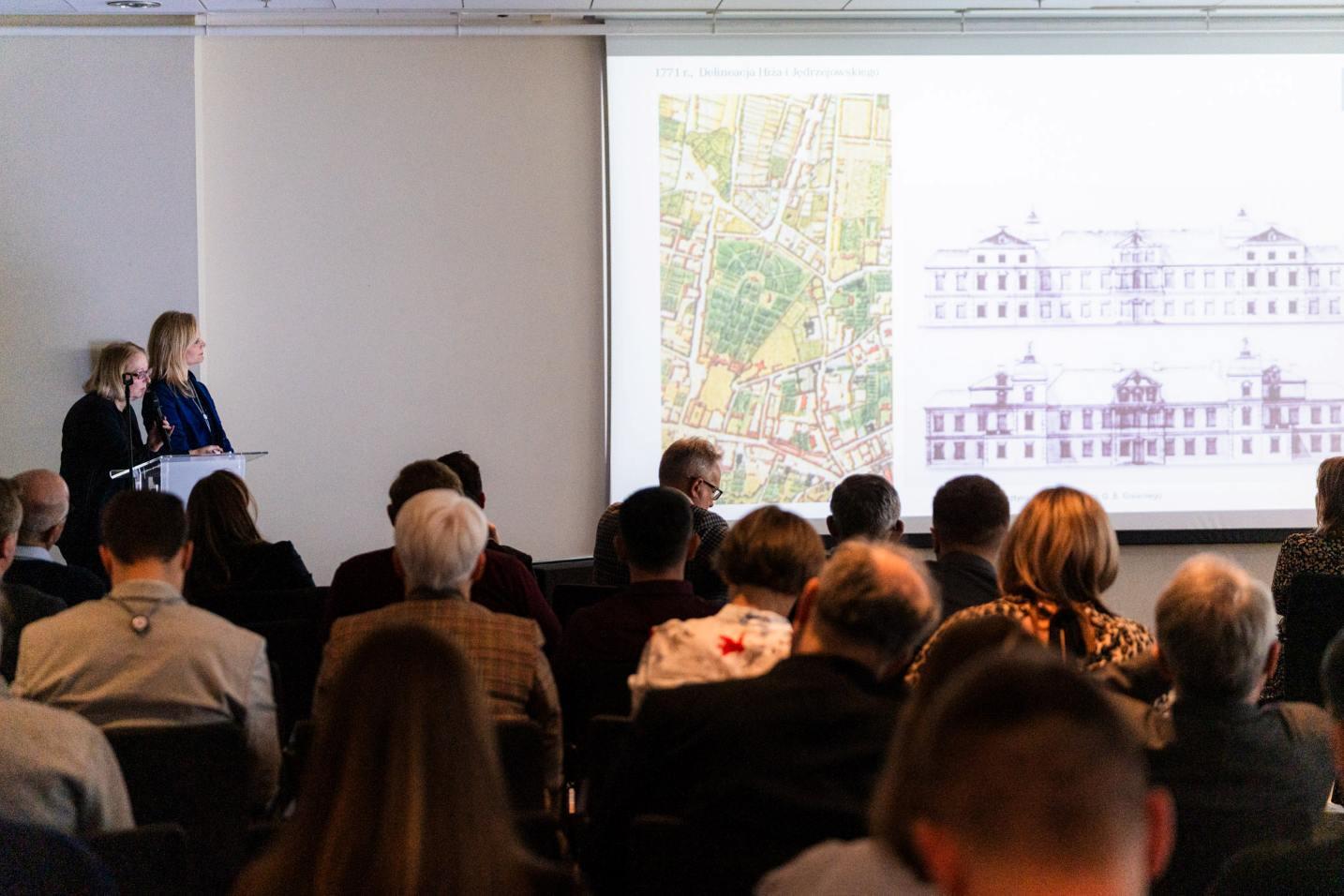
What challenges arise when reconstructing historic buildings with the latest technologies? This was just one of the topics discussed during the ‘Forum of Good Reconstruction Practices’, held in March 2025. This expert symposium forms part of the ongoing preparatory works for the reconstruction of the Saski and Brühl Palace complex, alongside the tenement houses on […]

Historic fragment of the Royal Castle discovered at the Brühl Palace site

On 31 March 2025, at the initiative of the Pałac Saski company, a fragment of a stone plaque that once adorned the Royal Castle’s eastern façade was formally presented to the Royal Castle at a ceremony in the Knights’ Hall. The inscribed sandstone slab, discovered during the first season of archaeological excavations conducted by the […]