Contrast
Size
news

Archiwalne zdjęcia Osi Saskiej w Fotoplastikonie

Już od soboty 3 września na odwiedzających plac Marszałka Józefa Piłsudskiego czeka nowa atrakcja – fotoplastikon z historycznymi ujęciami Pałacu Saskiego, Pałacu Brühla i Ogrodu Saskiego. Historyczne urządzenie z wizjerami do oglądania umieszczonych w środku fotografii w technice par stereoskopowych dającej wrażenie trójwymiarowości, znajduje się przed budynkiem Dowództwa Garnizonu Warszawa.
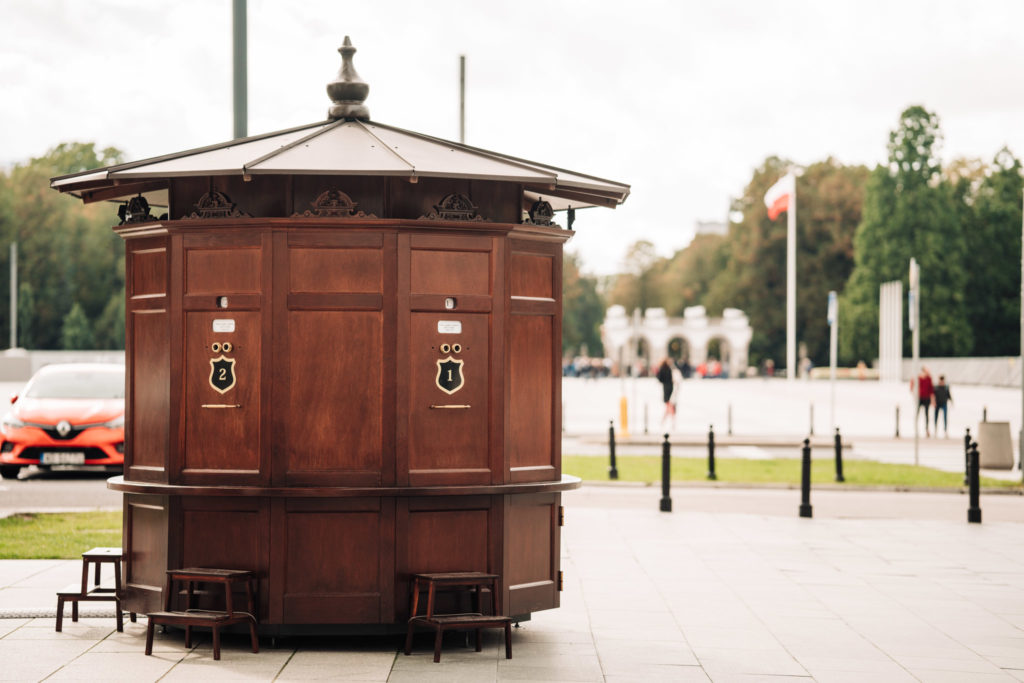
Na pierwszym planie widać drewniany fotoplastikon skrywający w swoim środku archiwalne zdjęcia. W tle w oddali widoczny jest Grób Nieznanego Żołnierza
Fotoplastikon na pl. Piłsudskiego, fot. T. Tołłoczko

Fotoplastikon, który cieszył się wielką popularnością w 2 połowie XIX wieku, stanowi niepowtarzalną okazję do przeniesienia się w czasie i zobaczenia, jak wyglądały nieistniejące dziś budynki Pałacu Saskiego oraz Pałacu Brühla, które już niebawem powrócą na mapę Warszawy. Pałac Brühla był uważany za jeden z najpiękniejszych pałaców Warszawy. Szczególnie imponująco budynek prezentował się dzięki przebudowie w latach 1933-1937 według projektu Bohdana Pniewskiego.
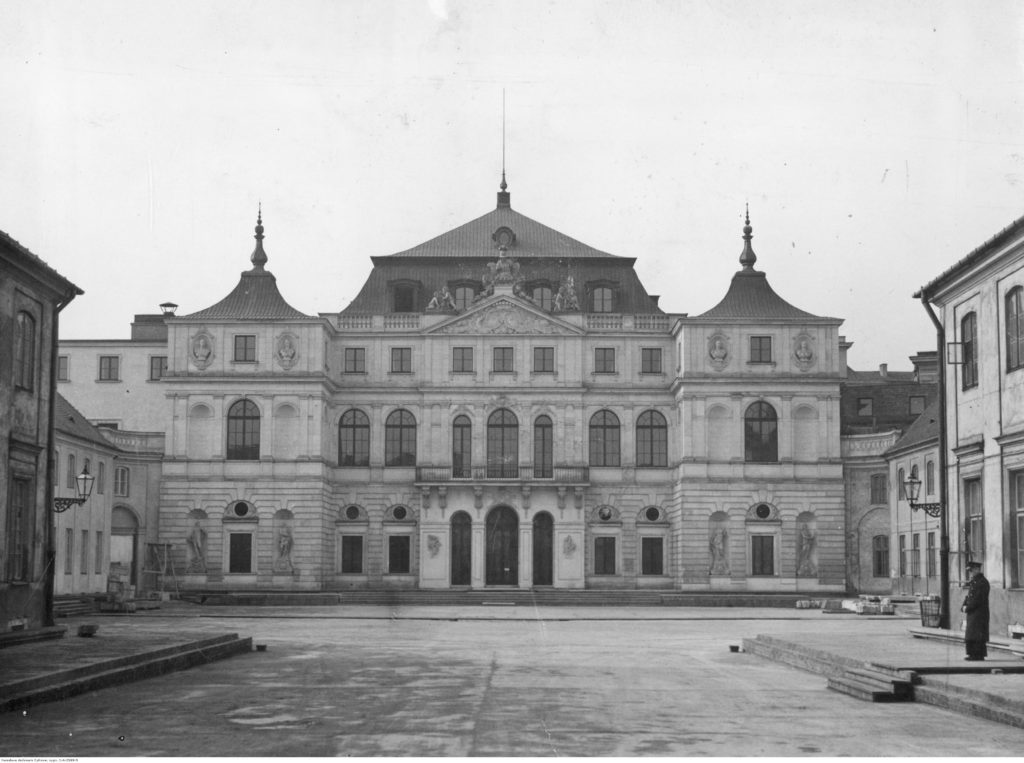
Fasada Pałacu Brühla. Na obrazku widać budynek w stylu rokoko.
Pałac Brühla - siedziba ministerstwa: widok zewnętrzny. 1936. Koncern Ilustrowany Kurier Codzienny - Archiwum Ilustracji, Narodowe Archiwum Cyfrowe

Ponadto na ukrytych w fotoplastikonie zdjęciach i animacjach zobaczymy również nietuzinkowe obiekty, które istniały w Ogrodzie Saskim. Jednym z nich jest Teatr Letni, funkcjonujący w latach 1870-1939, który powstał jako tymczasowa scena na czas remontu Teatru Wielkiego. Jego scena gościła wiele sław, w tym wyjątkową Helenę Modrzejewską.
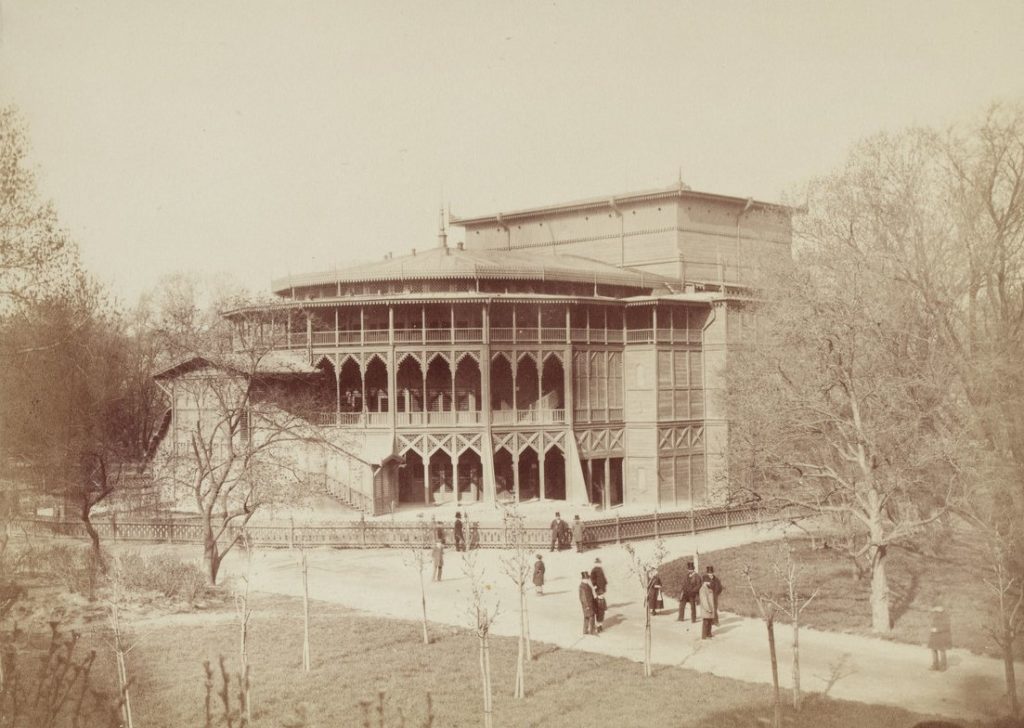
Na obrazku widać budynek Teatru Letniego w kształcie półrotundy. To jedno z archiwalnych zdjęć w Fotoplastikonie
Konrad Brandel, ok. 1875. Warszawa. Teatr Letni w Ogrodzie Saskim. Muzeum Narodowe w Warszawie

Część fotografii przybliża sceny z życia miasta toczące się wokół Pałacu Saskiego. Pojawiają się historie prywatne, takie jak scena przedstawiająca niańki wychodzące z wózkami na spacer w okolicach dostojnej kolumnady pałacu. Jednocześnie zobaczyć można również bardziej oficjalne oblicze pl. Piłsudskiego z paradami wojskowymi na tle Pałacu Saskiego.

Fotoplastikon czeka na odwiedzających do 8 stycznia, zapraszamy do oglądania dawnych fotografii!

Projekt dofinansowano ze środków Ministra Kultury i Dziedzictwa Narodowego – Odbudowa Pałacu Saskiego, Pałacu Brühla oraz kamienic przy ul. Królewskiej – prace przygotowawcze.
news

29th International Poster Biennale – Exhibition on Piłsudski Square

For the second time, the fencing around the reconstruction site for the Saxon and Brühl Palaces, as well as the tenement houses on Królewska Street, will serve as an outdoor poster gallery. The open‑air exhibition ‘Quo Vadis’, featuring selected works by artists taking part in the 29th International Poster Biennale in Warsaw, will be on […]

298th anniversary of the Saxon Garden

The last day of May saw the largest Saxon Garden Festival to date. Nearly 80,000 Warsaw residents and visitors took part in the fourth edition of the all‑day retro event, whose 2025 programme was expanded with contributions from new partners. As a result, alongside musicians, interwar‑period re‑enactors, enthusiasts of penny‑farthings and automobiles, and virtual‑reality specialists, […]

Historic fragment of the Royal Castle discovered at the Brühl Palace site

On 31 March 2025, at the initiative of the Pałac Saski company, a fragment of a stone plaque that once adorned the Royal Castle’s eastern façade was formally presented to the Royal Castle at a ceremony in the Knights’ Hall. The inscribed sandstone slab, discovered during the first season of archaeological excavations conducted by the […]

Reconstruction of the Saski Palace: 2024 summary

The latest stages of preparatory works for the reconstruction of the Saski and Brühl Palace complex, as well as the three tenement houses on Królewska Street in Warsaw, are nearing completion. In 2024, works carried out on the site at Marshal J. Piłsudski Square focused primarily on safeguarding the historic fabric represented by the remains […]
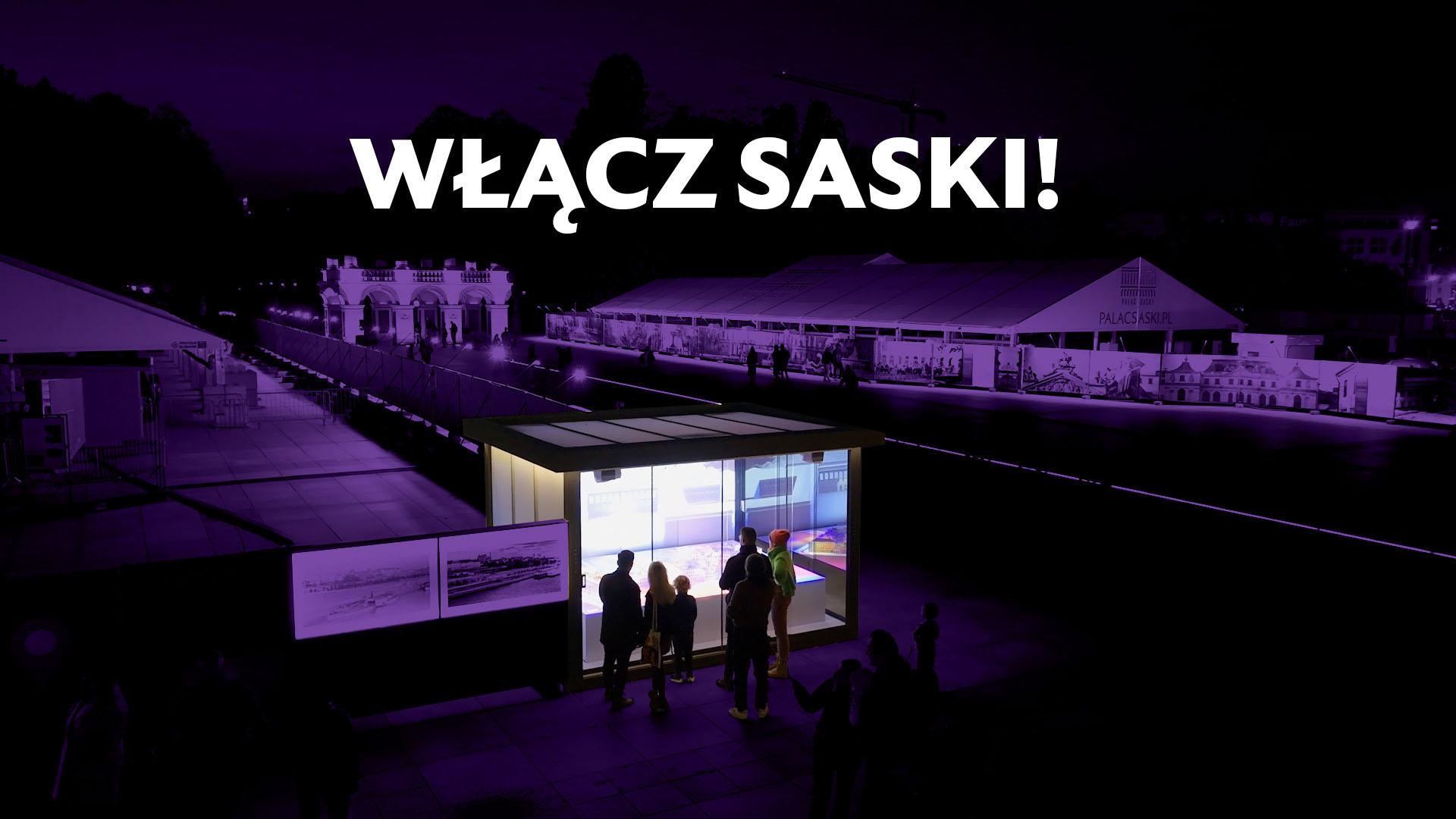
Na obrazku widoczny jest plac Piłsudskiego w kolorze fioletowym. Na środku obrazka widoczny jest przeszklony pawilon w kolorze. Wokół pawilonu, w którym widać multimedialną prezentację, stoi grupa widzów.

Switch on the Saski Palace! A multimedia show in Piłsudski Square

A 3D model of the reconstructed Saski (also Saxon) and Brühl Palaces, along with the townhouses on Królewska Street, which has been attracting the attention of passersby in Piłsudski Square, Warsaw, since May 2024, has been given a new splash of colour. Now, inside the glass pavilion, visitors to the city centre can watch a […]
Na ciemnym

3D scanning of façade elements of the Saski and Brühl Palaces

Three-dimensional scanning of preserved elements from the former façades of the Saski Palace (also Saxon Palace), the Brühl Palace and the Beck Pavilion is one way the latest technology is being utilised in the reconstruction of the western frontage of Piłsudski Square in Warsaw. The process captures the geometry of façade elements from historic buildings […]

A short report from the Saxon Garden Festival

The Saxon Garden Festival is a unique outdoor event in Poland’s oldest public park. On 25 May 2024, the garden alleys and the neighbouring Piłsudski Square hosted tens of thousands of people for the third time, who for one day had the opportunity to travel back in time to the inter-war period. Parades of vintage […]

Geodetic monitoring of the Tomb of the Unknown Soldier

Not all of the reconstruction works on the western frontage of Piłsudski Square are as spectacular as the construction of a roofing over the relics of the Saski Palace listed in the register of monuments. Such activities, which are necessary during the preparation of the investment, although not noticeable to most outsiders, include geodetic monitoring […]