Contrast
Size
news

Pałac Saski w nowej serii filatelistycznej

Sylwetka Pałacu Saskiego i widok jego ruin zostały przypomniane w nowej serii filatelistycznej Poczty Polskiej o nazwie „Zniszczenia wojenne”. Kartka pocztowa z nadrukowanym znakiem opłaty została wprowadzona do obiegu 31 sierpnia 2022 roku.

Na karcie zaprojektowanej przez Jarosława Ochendzana można zobaczyć zdjęcie lotnicze z 1945 roku, które przedstawia część placu Marszałka Józefa Piłsudskiego wraz ze zniszczoną okoliczną zabudową. Wyróżnione na fotografii kolorem ruiny Pałacu Saskiego, będące częścią wysadzonej w powietrze pod koniec 1944 roku zachodniej pierzei placu, kontrastują z widokiem w przestrzeni pola opłaty, na którym widnieje przedwojenne zdjęcie lotnicze Pałacu Saskiego w pełnej okazałości.

Trzy pakiety z kartą pocztową przedstawiające zdjęcie ruin wokół placu Piłsudskiego.

Karta inauguruje serię filatelistyczną „Zniszczenia wojenne” Poczty Polskiej, której celem jest przypomnienie ogromu strat, jakie poniosła Polska podczas II wojny światowej. Ruiny Pałacu Saskiego i jego okolicznej zabudowy są symbolem systematycznego wyburzania Warszawy, którego dokonały nazistowskie Niemcy. Już we wrześniu 1939 roku niemieckie naloty zniszczyły 15% zabudowy lewobrzeżnej Warszawy wraz z kluczową infrastrukturą, taką jak linie kolejowe czy elektrownie. Kolejnym etapem była likwidacja getta po upadku powstania 1943 roku, a następnie systematyczne wyburzanie kolejnych części miasta po upadku powstania warszawskiego.

Przy projektowaniu karty pocztowej dotyczącej Pałacu Saskiego wykorzystano fotografię lotniczą zniszczeń Warszawy z archiwum Wojskowego Biura Historycznego, zaś przedwojenny widok budowli Pałacu Saskiego pochodzi ze zbiorów Muzeum Powstania Warszawskiego. Prace projektowe Poczty Polskiej wspierała także Centralna Biblioteka Wojskowa im. Marszałka Józefa Piłsudskiego w Warszawie.
news

Agreement negotiations for the reconstruction design of the Saski and Brühl Palaces and Królewska Street tenement houses

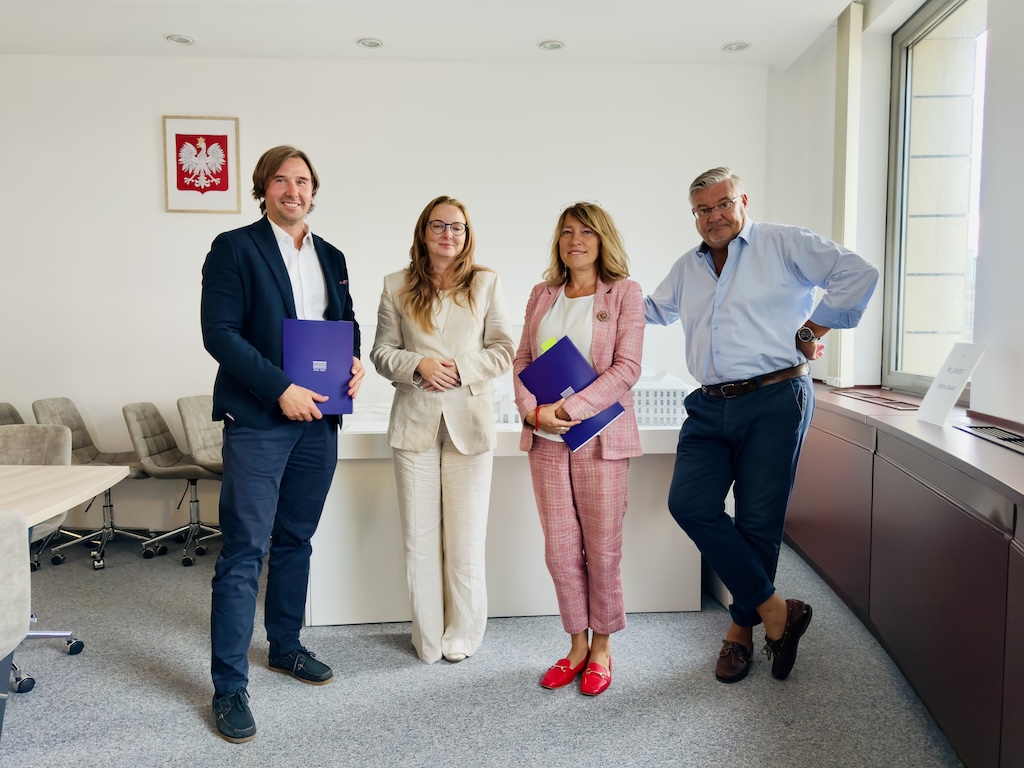
On 25 August 2025, formal negotiations began between the Pałac Saski company and the architecture practice WXCA Group. That same day, the practice received an invitation to open negotiations on an agreement to prepare the architectural design for the reconstruction of the Saski Palace (also Saski Palace), the Brühl Palace and the tenement houses at […]

29th International Poster Biennale – Exhibition on Piłsudski Square

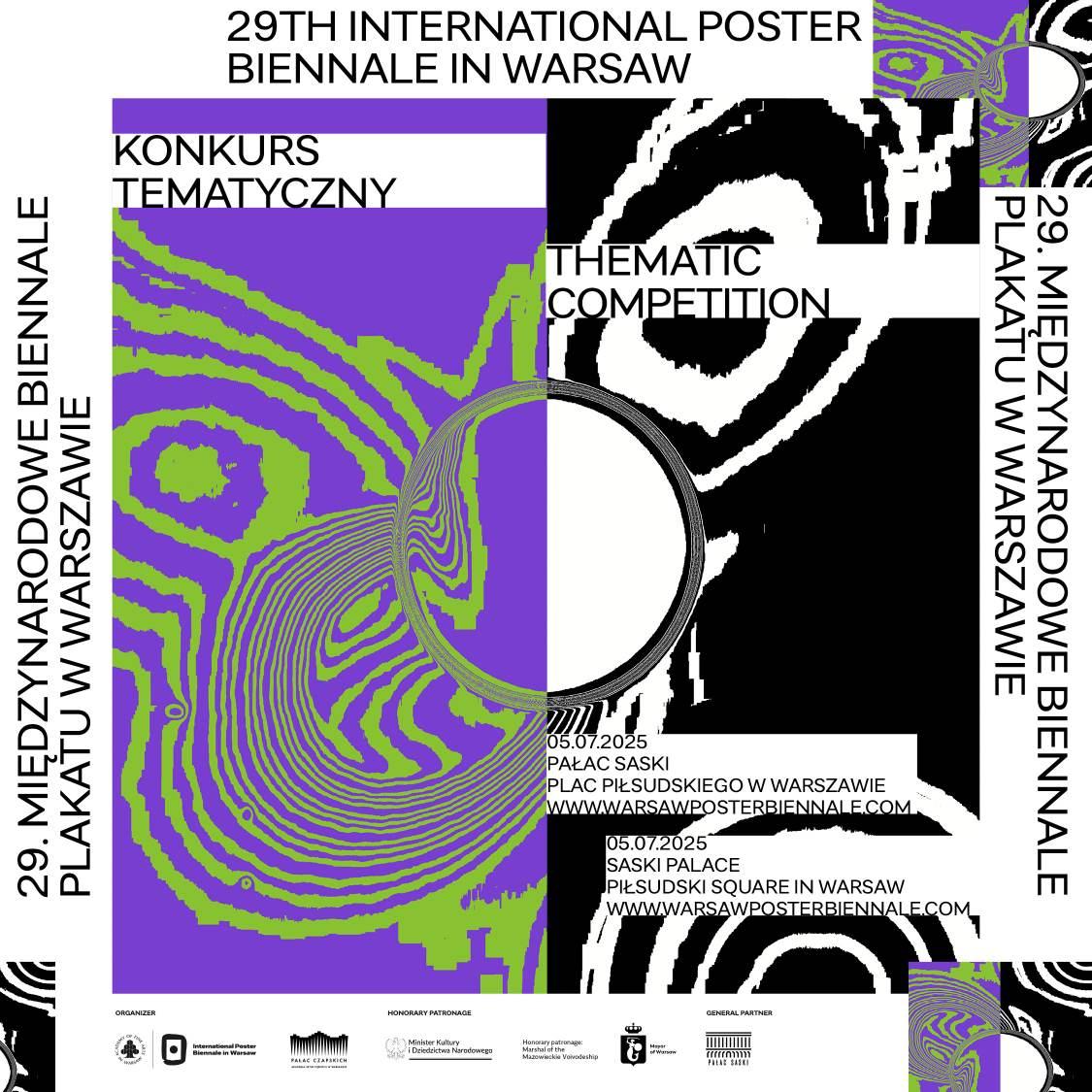
For the second time, the fencing around the reconstruction site for the Saxon and Brühl Palaces, as well as the tenement houses on Królewska Street, will serve as an outdoor poster gallery. The open‑air exhibition ‘Quo Vadis’, featuring selected works by artists taking part in the 29th International Poster Biennale in Warsaw, will be on […]

A new catalogue of works from the Dresden archives: the Saxon Palace in historic drawings

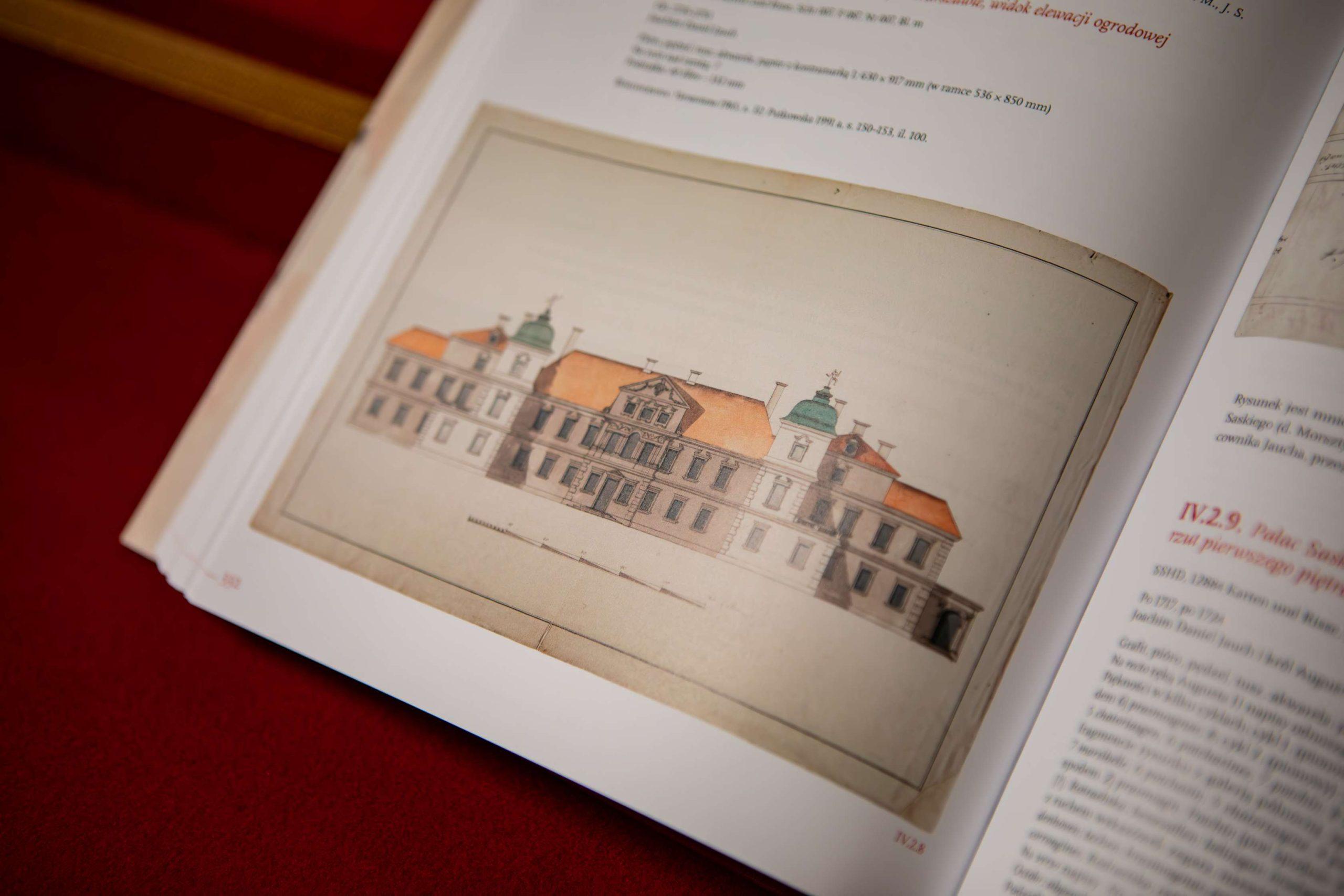
‘Shared Polish‑Saxon Heritage’ is a scholarly catalogue of more than 1,100 architectural drawings from the Saxon era, now held in the Dresden archives. The volume, which includes a collection of essays and is edited by Professors Jakub Sito and Paweł Migasiewicz, was produced in part through cooperation between the Institute of Art of the Polish […]

298th anniversary of the Saxon Garden

The last day of May saw the largest Saxon Garden Festival to date. Nearly 80,000 Warsaw residents and visitors took part in the fourth edition of the all‑day retro event, whose 2025 programme was expanded with contributions from new partners. As a result, alongside musicians, interwar‑period re‑enactors, enthusiasts of penny‑farthings and automobiles, and virtual‑reality specialists, […]

Forum of Good Reconstruction Practices. The Saski Palace and the challenges of modernity

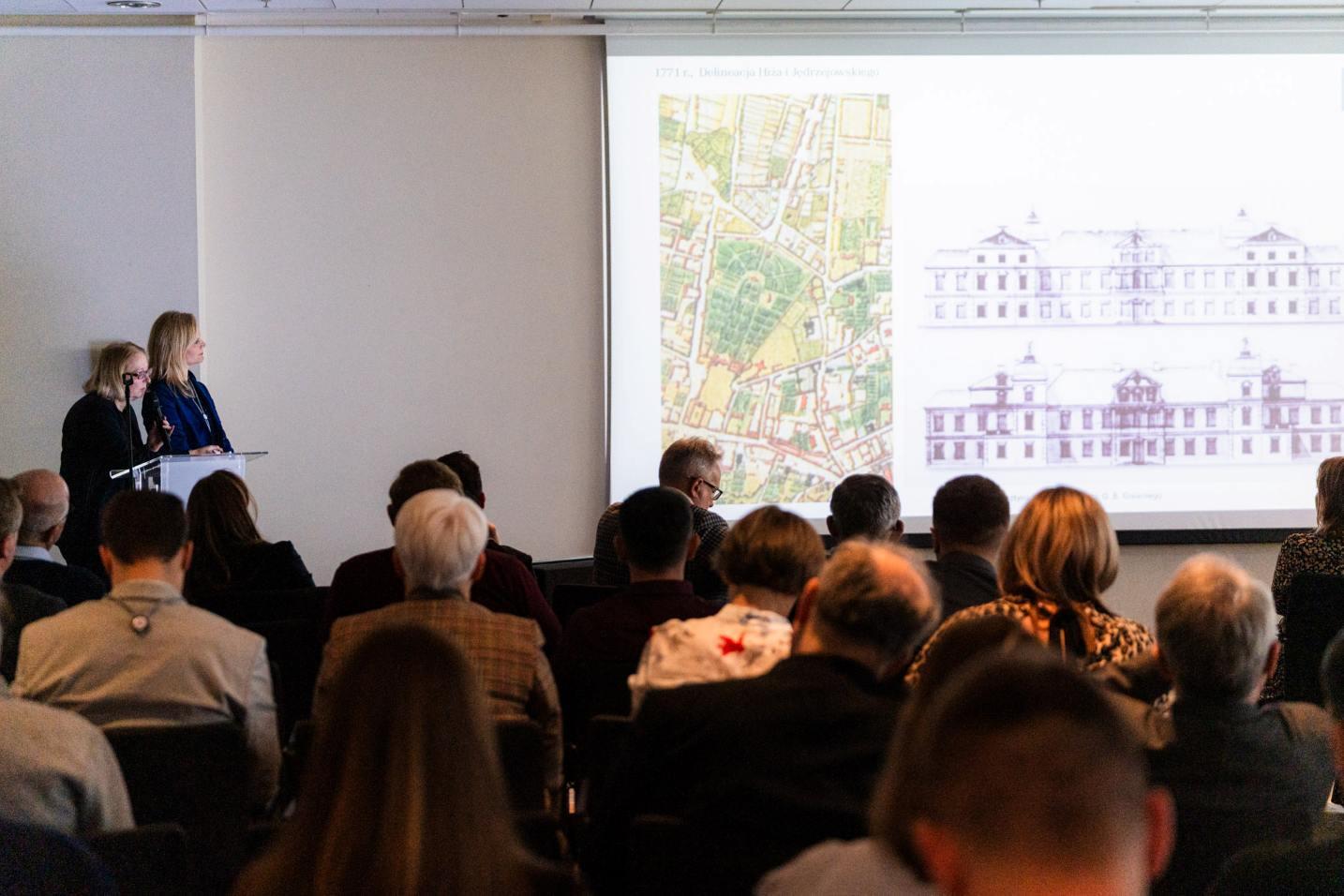
What challenges arise when reconstructing historic buildings with the latest technologies? This was just one of the topics discussed during the ‘Forum of Good Reconstruction Practices’, held in March 2025. This expert symposium forms part of the ongoing preparatory works for the reconstruction of the Saski and Brühl Palace complex, alongside the tenement houses on […]

Historic fragment of the Royal Castle discovered at the Brühl Palace site

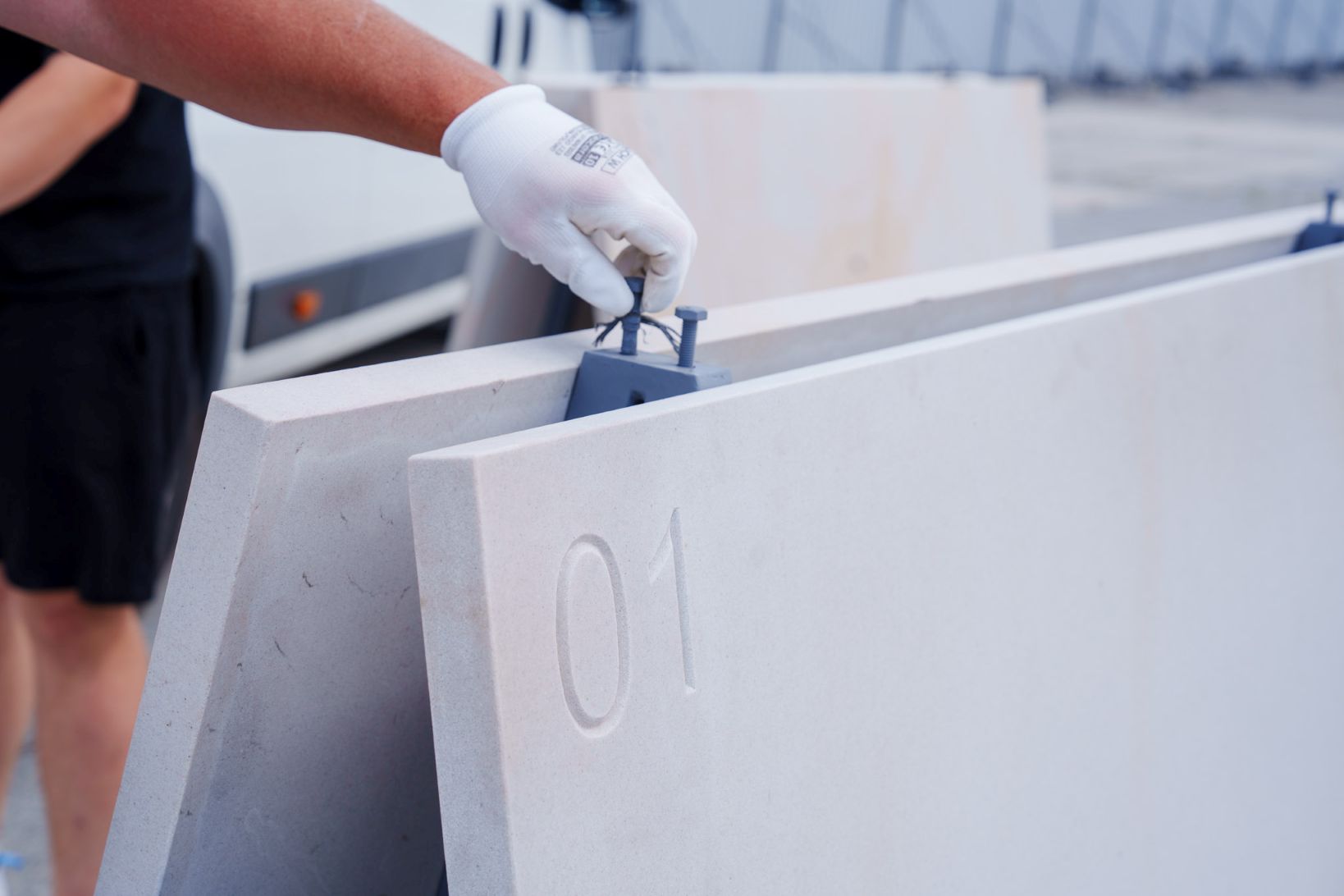
On 31 March 2025, at the initiative of the Pałac Saski company, a fragment of a stone plaque that once adorned the Royal Castle’s eastern façade was formally presented to the Royal Castle at a ceremony in the Knights’ Hall. The inscribed sandstone slab, discovered during the first season of archaeological excavations conducted by the […]